Estimated reading time: 20–25 minutes
Key Takeaways
- Termites are “silent destroyers” causing over $5 billion in uninsured property damage annually in the U.S.
- Hidden infestations make early detection difficult, leading to extensive and costly structural harm before signs are visible.
- DIY termite control is largely ineffective due to the complex biology of termites, hidden colonies, and the need for specialized treatments.
- Choosing the best termite control service involves verifying licensing, insurance, strong warranties, an Integrated Pest Management (IPM) approach, and a solid reputation.
- Professional termite treatment options include liquid barriers with “transfer effect,” slow-acting baiting systems, fumigation for drywood termites, and targeted wood treatments.
- Opting for termite control near you provides benefits like local species expertise, rapid response times, and personalized service rooted in community reputation.
- Investing in professional termite control services is a crucial financial decision that protects your home’s value, structural integrity, and provides lasting peace of mind.
Table of Contents
- Don’t Let Them Eat You Out of House and Home: Why Professional Termite Control Services Are Essential
- Key Takeaways
- Introduction: Protecting Your Home from the Silent Destroyers
- 1. The Alarming Threat of Termites: Why Prompt Action is Crucial
- 2. Beyond DIY: Why Professional Termite Treatment is Non-Negotiable
- 3. How to Choose the Best Termite Control Service
- 4. Understanding Professional Termite Treatment Options
- 5. The Professional Termite Control Process: What to Expect
- 6. Finding Termite Control Near Me: The Advantage of Local Expertise
- Conclusion: Invest in Your Home’s Future with Professional Termite Control Services
- Frequently Asked Questions
Introduction: Protecting Your Home from the Silent Destroyers
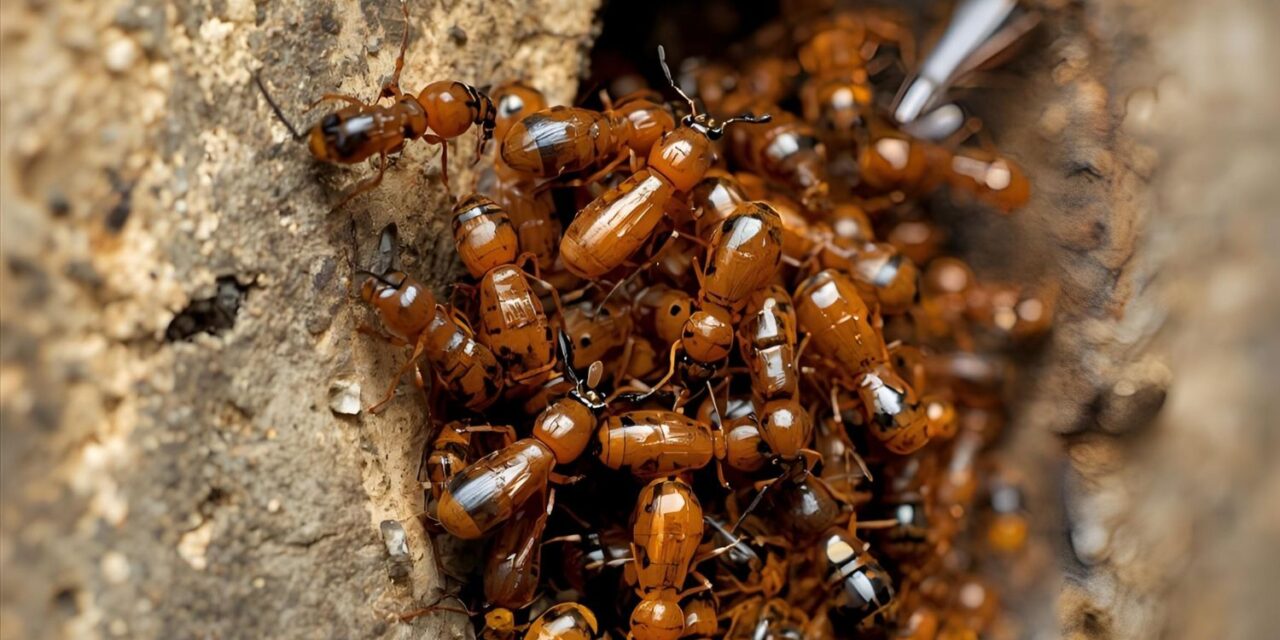
Imagine tiny invaders silently eating away at your most valuable asset, your home, from the inside out. This alarming reality is the world of termites, often called “silent destroyers” because they can cause immense damage before you even notice them. These relentless pests feed on cellulose, a material found in wood, paper, fabric, and other plant-based items. By doing so, they stealthily compromise the structural integrity of your home, its furniture, and many other valuable assets.
The hidden nature of termite infestations makes them especially dangerous. They often begin their destructive work in inaccessible areas, deep within walls, under floors, or in your home’s foundation. You might only notice subtle signs, like delicate mud tubes on exterior walls, discarded wings near windows, or wood that sounds hollow when tapped. By the time these signs become obvious, the damage can already be severe.
The financial burden termites pose is significant. These tiny insects create huge problems for homeowners. In fact, the National Pest Management Association (NPMA) reports that termites cause over $5 billion in property damage annually in the United States. What’s worse, this extensive damage is often not covered by standard homeowner’s insurance policies, leaving property owners to foot the hefty repair bills themselves. National Pest Management Association (NPMA)
Given this substantial threat, professional termite control services are not just an option—they are a non-negotiable solution for effective and lasting protection. This detailed guide will explain why expert termite treatment is crucial for safeguarding your property. We will dive into what to look for in the best termite control service, what you can expect from the entire process, and how to find reliable termite control near me to protect your biggest investment. Understanding these steps is key to preventing widespread destruction from these wood-munching pests.
1. The Alarming Threat of Termites: Why Prompt Action is Crucial
Termites represent one of the most serious threats to homes and other wooden structures. These social insects are highly destructive, and their continuous feeding habits can lead to catastrophic results if not managed quickly and effectively. Understanding the true destructive potential of these pests, and why swift termite control is necessary, can help homeowners appreciate the urgency of professional intervention.
Destructive Potential Defined
Termites consume cellulose, a complex carbohydrate found abundantly in many materials around your home. This includes not only the wooden beams, walls, and floors that form your house’s skeleton, but also paper, cardboard, books, furniture, and even some fabrics. These pests are relentless eaters, working 24 hours a day, 7 days a week, without rest. Over time, this constant consumption of wood and other cellulosic materials can severely compromise a structure’s integrity. It weakens support beams, flooring, and wall studs, leading to costly repairs and even structural collapse if left unchecked. These tiny wood-destroying organisms truly live up to their name. University of Florida IFAS
Hidden Nature of Infestations
One of the most insidious aspects of a termite infestation is its hidden nature. Termites, especially subterranean species, operate largely out of sight. They build their intricate colonies underground or deep within the wood they consume. Infestations often begin in unseen areas, such as within wall cavities, under floors, in crawl spaces, or deep within your home’s foundation. This stealthy behavior means that by the time a homeowner notices obvious signs, the infestation might have been active for years, causing extensive hidden damage.
Subtle indicators of termite activity include:
- Mud tubes: Small, pencil-sized tunnels made of mud and wood particles that termites build on exterior walls, foundations, or interior surfaces to protect themselves as they travel between their nest and a food source.
- Discarded wings: After swarming (when reproductive termites leave the nest to start new colonies), you might find piles of translucent wings near windowsills, doors, or light sources.
- Hollow-sounding wood: Tapping on wood that sounds hollow suggests that termites have eaten away the interior.
- Frass: Tiny wood-colored pellets that look like sawdust, which are termite droppings, typically from drywood termites.
- Blistered or dark areas: On wooden surfaces or flooring, indicating moisture and tunneling underneath.
These subtle signs are often missed by untrained eyes, allowing the colony to grow and the damage to worsen. UC Davis IPM
Urgency of Termite Control
The need for early detection and professional intervention cannot be overstated. Because termites can remain hidden for so long, the cost of repair for termite damage can be astronomical. The average cost of termite damage and treatment in the U.S. can easily run into thousands of dollars for individual homeowners. For severe infestations, these costs can climb significantly higher, often reaching tens of thousands. Remember, standard homeowner’s insurance policies typically do not cover termite damage because it is considered a preventable issue, rather than a sudden accident. This makes proactive termite treatment and management even more critical.
Ignoring even subtle signs of these wood-destroying pests can lead to extensive and costly damage that could have been prevented with prompt action. Investing in professional termite control services quickly is an investment in the long-term health and safety of your home, protecting it from these destructive wood-eating insects. National Pest Management Association (NPMA)
2. Beyond DIY: Why Professional Termite Treatment is Non-Negotiable
When faced with a termite problem, many homeowners might first think about do-it-yourself (DIY) solutions. However, when it comes to effectively eradicating these complex pests, professional termite treatment is almost always a non-negotiable requirement. The nature of termites, their hidden colonies, and the specialized methods required for true elimination make DIY efforts largely ineffective for established infestations.
Limitations of DIY Methods
Store-bought sprays and home remedies rarely work for a widespread or deeply embedded termite problem. This is due to several key factors:
- Complex Biology: Termites are social insects living in vast colonies with intricate social structures, including workers, soldiers, and a queen. Simply killing visible foraging termites does not eliminate the queen or the rest of the colony hidden deep within your home or underground.
- Hidden Colonies: As discussed, termites operate out of sight. DIY methods typically only treat the surface, missing the main nest and the majority of the destructive pests. You might kill a few visible insects, but the core of the infestation remains untouched, allowing them to continue their destructive work.
- Specialized Nature of Treatments: Effective termite control services require precise application of powerful, regulated chemicals and advanced techniques. These are simply not available or safely manageable for the average homeowner.
Species Identification: A Critical First Step
There are different types of termites, and each requires a distinct termite treatment approach. A professional pest control expert can accurately identify the species of termite invading your home.
- Subterranean Termites: These are the most common and destructive, living in soil and building mud tubes. They require treatments that create barriers in the soil or use baiting systems.
- Drywood Termites: These termites live entirely within the wood they infest and do not need contact with soil. They often require fumigation or localized wood treatments.
- Dampwood Termites: Less common, they infest wood with high moisture content.
Without correct identification, any DIY treatment is a shot in the dark, likely targeting the wrong species with ineffective methods. Professionals have the training and experience to pinpoint the exact culprits and tailor the eradication strategy. University Extension services
Colony Elimination: The Ultimate Goal
True termite control means eliminating the entire colony, not just the visible foraging insects. For subterranean termites, this involves destroying the queen and the entire nest, which can be located deep within the soil, meters away from your home’s foundation. For drywood termites, it means eradicating all termites within the infested wood. Professionals use methods designed to reach these hidden nests, whether through barrier treatments that termites carry back to the colony or baiting systems that slowly spread lethal compounds throughout the social network. This comprehensive approach is essential for long-term protection against these wood-eating insects.
Specialized Knowledge & Equipment
Professional termite control services bring a wealth of expertise, specialized tools, and access to powerful materials that homeowners simply don’t have.
- Expertise: Technicians undergo extensive training to understand termite biology, behavior, and the most effective eradication strategies.
- Advanced Inspection Tools: They use specialized equipment like moisture meters, infrared thermal imaging cameras, and even borescopes (small cameras for inspecting inside walls) to precisely locate hidden termite activity, nests, and entry points.
- Restricted-Use Termiticides: Pest control professionals have access to potent, regulated termiticides that are not sold to the general public. These chemicals are designed for maximum effectiveness against termites and often have residual effects that provide long-lasting protection.
- Precise Application Techniques: Professionals know how to apply these treatments with precision, whether it’s drilling small holes into foundations to inject liquid barriers or strategically placing bait stations. This ensures the treatment penetrates structural elements effectively and safely.
Safety Considerations
The application of pesticides, even for termites, involves careful handling of chemicals. Professional application ensures that these materials are used safely and effectively, minimizing risks to occupants, children, and pets. Trained technicians follow strict safety protocols, wear appropriate protective gear, and know the correct dosages and application methods to prevent harm. DIY chemical application, without proper knowledge or equipment, can lead to accidental exposure, misuse, or environmental contamination, posing serious health risks. The Environmental Protection Agency (EPA) provides guidelines on pesticide use, emphasizing the importance of professional application for restricted-use products. Environmental Protection Agency (EPA)
In conclusion, attempting to tackle a termite infestation yourself is often a waste of time and money. For effective, safe, and lasting termite control, the expertise, specialized tools, and comprehensive approach of professional termite control services are truly non-negotiable.
3. How to Choose the Best Termite Control Service
Selecting the right professional to protect your home from termites is a critical decision. You want a provider that is effective, reliable, and trustworthy. To find the best termite control service, it’s important to look beyond just the price tag and consider several key factors that ensure quality, safety, and long-term protection.
Licensing & Certification
The first and most important step is to verify that both the company and its technicians are properly licensed. Pest control is a regulated industry, and most states require companies and individual applicators to be licensed by their state’s agricultural or pest control regulatory agency. This ensures they meet minimum training and competency standards.
Beyond basic licensing, look for certifications. Programs like the National Pest Management Association’s (NPMA) QualityPro program indicate that a company adheres to higher industry standards for professionalism, service, and safety. A licensed and certified company demonstrates a commitment to ethical practices and professional excellence in termite control. State pest control regulatory boards
Insurance: Protecting Your Investment
Ensuring the company carries adequate insurance is vital for your peace of mind and financial protection.
- Liability Insurance: This covers any damage to your property that might occur during the termite treatment process. For example, if a technician accidentally damages a pipe while drilling, liability insurance would cover the repair.
- Worker’s Compensation: This protects you from financial responsibility if a technician is injured while working on your property.
Always ask for proof of insurance and confirm its validity. A reputable termite control service will readily provide this documentation.
Guarantees & Warranties: A Promise of Protection
The best termite control service will stand behind its work with clear, written guarantees and warranties. These agreements are crucial because termites can be persistent.
- Re-treatment Warranty: This is the most common type, promising that if termites return within a specified period (e.g., one to five years), the company will re-treat your home at no additional cost.
- Damage Repair Warranty: Some premium services offer a damage repair warranty, which is highly valuable. This means if termites return and cause new damage after the initial treatment, the company will cover the cost of repairs.
Always read the fine print. Understand the terms, the duration of the warranty, and whether it is transferable if you sell your home. A strong warranty reflects a company’s confidence in its termite treatment methods. Consumer Reports
Integrated Pest Management (IPM) Approach
A forward-thinking termite control service will embrace an Integrated Pest Management (IPM) approach. IPM is a holistic, environmentally sensitive approach to pest management that prioritizes long-term prevention of pests, including termites.
- Prevention First: It focuses on identifying and eliminating conditions that attract termites (e.g., moisture, wood-to-soil contact).
- Non-Chemical Methods: Where feasible, it uses non-chemical tactics first, such as physical barriers or improving drainage.
- Targeted Chemical Use: When chemicals are necessary, IPM ensures they are applied judiciously and precisely, minimizing environmental impact while maximizing termite control effectiveness.
This approach signifies a company committed to sustainable and responsible pest management, providing more effective and lasting termite control.
Experience & Reputation: Trust Built Over Time
Longevity in business often indicates reliability and experience. A company that has been operating for many years has likely seen and successfully treated a wide range of termite infestations.
- Customer Reviews: Check independent platforms like the Better Business Bureau (BBB), Google Reviews, and Yelp for customer feedback. Look for patterns of positive experiences regarding professionalism, effectiveness, and customer service. Be wary of companies with numerous unresolved complaints.
- Local Referrals: Ask friends, family, and neighbors for recommendations. Local word-of-mouth is a powerful indicator of a company’s standing within the community.
A strong reputation is a testament to consistent quality and customer satisfaction. Better Business Bureau (BBB)
Tailored Solutions, Not One-Size-Fits-All
Finally, a truly reputable company will never offer a generic, one-size-fits-all solution. Every home and every termite infestation is unique. A good termite control service will:
- Conduct a thorough inspection: This is essential to accurately assess the extent of the infestation, identify the termite species, and pinpoint entry points and damage.
- Propose a customized plan: Based on the inspection, they will outline a detailed termite treatment strategy specific to your home’s needs, explaining the methods, expected outcomes, and transparent pricing.
Beware of any company that provides a quote over the phone without a detailed inspection. A customized approach ensures the most effective and efficient termite control for your specific situation.
By carefully considering these factors, you can confidently choose the best termite control service to protect your home from these destructive wood-eating insects.
4. Understanding Professional Termite Treatment Options
Professional termite treatment is not a single solution but a range of sophisticated methods designed to effectively eradicate different termite species and address various infestation scenarios. Understanding these options can help you appreciate the tailored approach a professional will take to safeguard your home.
Overview of Methods
Termite control experts use a variety of strategies, carefully selected based on the type of termites present, the severity of the infestation, the construction of your home, and environmental considerations. The goal is always complete colony elimination and long-term protection.
Liquid Barrier Treatments
One of the most common and effective methods, especially for subterranean termites, is the application of a liquid termiticide to create a protective barrier around and under your home’s foundation.
- How it Works: Technicians carefully inject or apply a specialized liquid termiticide into the soil surrounding the foundation, under concrete slabs, and into critical entry points. This creates a treated zone that termites cannot penetrate to reach your home.
- Non-Repellent Termiticides: Modern liquid termiticides are often non-repellent (e.g., products containing fipronil or chlorantraniliprole). This means termites cannot detect the chemical, so they unknowingly tunnel through the treated soil. As they do, they pick up the active ingredient on their bodies. Critically, they then carry this termiticide back to the colony, transferring it to other termites through social interactions like grooming and feeding. This “transfer effect” leads to a domino effect, gradually eliminating the entire colony, including the queen, from the inside out. This type of termite control is highly effective and provides a long-lasting protective barrier. University entomology departments
Termite Baiting Systems
Baiting systems offer another powerful and environmentally sensitive approach to termite control, particularly for subterranean termites.
- How it Works: Stations containing cellulose material (a food source for termites) mixed with a slow-acting insect growth regulator (IGR) or a toxicant are strategically placed in the ground around the perimeter of your property.
- Colony Elimination: Foraging termites discover these bait stations, consume the bait, and then return to their colony to share the poisoned food with other nest mates. The slow-acting nature of the bait allows it to spread throughout the colony before the termites realize it’s harmful, leading to a gradual but complete colony elimination. IGRs work by preventing termites from molting properly, disrupting their life cycle.
- Ongoing Monitoring: Baiting systems also offer the advantage of ongoing monitoring. Technicians periodically check the stations to assess termite activity and replenish the bait as needed, providing continuous protection and confirming the success of the termite treatment. Environmental Protection Agency (EPA)
Fumigation (Tent Fumigation)
Fumigation is a specialized termite treatment method primarily used for widespread or inaccessible drywood termite infestations, which live entirely within wood and do not need soil contact.
- How it Works: The entire structure is covered with a large tent, sealed to be airtight, and a gaseous pesticide (fumigant) is introduced. This gas penetrates all the wood within the structure, reaching termites in every crack, crevice, and inaccessible area, killing all drywood termites present.
- Requirements: This method is highly effective but requires temporary evacuation of the property, typically for 24-72 hours, to ensure safety. All food, medicine, and plants must be removed or sealed. After the fumigation, the tent is removed, and the property is aerated to clear any remaining gas before it’s safe to re-enter.
Other Specialized Termite Treatments
Professionals may also employ other targeted methods depending on the situation:
- Wood Treatments: Borate-based products (e.g., borax, disodium octaborate tetrahydrate) can be applied directly to wood surfaces. These treatments penetrate the wood, creating a protective barrier that is toxic to termites when ingested. They are often used for prevention, pre-construction treatment, or for localized infestations of drywood or dampwood termites in exposed wood.
- Heat Treatments: A non-chemical option for localized drywood termite infestations, heat treatments involve heating affected areas or, in some cases, entire structures to lethal temperatures (typically around 120-150°F or 49-60°C) for a specific duration. This method can be effective for eliminating termites without the use of chemicals, but it requires specialized equipment and careful monitoring to ensure proper temperature distribution and avoid damage to the structure.
Professional termite control services will assess your unique situation and recommend the most appropriate termite treatment or combination of treatments to achieve comprehensive and lasting termite control for your property.
5. The Professional Termite Control Process: What to Expect
Engaging a professional for termite control involves a systematic and thorough process designed to identify, treat, and prevent future infestations. Knowing what to expect can help homeowners feel more comfortable and confident in the service they receive. A reputable termite control service will follow a clear, multi-step approach.
Initial Inspection: The Foundation of Success
The process always begins with a comprehensive and meticulous inspection of your property. This is arguably the most crucial step, as it forms the basis for the entire termite treatment plan.
- Thorough Examination: A trained technician will perform a detailed examination, both inside and outside your home. This includes checking the foundation, crawl spaces, basements, attics, walls, subflooring, and exterior perimeter.
- Identifying Signs: They will look for all signs of termite activity, such as mud tubes, discarded wings, frass, damaged wood, and other subtle indicators.
- Locating Entry Points: The inspection aims to pinpoint where termites are gaining access to your home and how extensive their activity is.
- Assessing Damage: The extent of any existing structural damage will be assessed to understand the severity of the infestation.
- Species Identification: Crucially, the technician will identify the specific termite species involved, as this dictates the most effective treatment strategy.
- Specialized Detection Equipment: They may use tools like moisture meters to detect hidden moisture (which attracts termites), thermal imaging cameras to find temperature differences indicating termite activity within walls, or even borescopes (small cameras for inspecting inside walls) to visually inspect hard-to-reach areas without causing damage. Probing wood with a screwdriver or similar tool is also common to find hollow areas. National Pest Management Association (NPMA)
Customized Treatment Plan: Your Tailored Solution
Following the inspection, the technician will develop and propose a detailed, customized termite treatment strategy specific to your home’s unique needs. This is not a one-size-fits-all approach.
- Outline of Methods: The plan will clearly describe the recommended treatment methods (e.g., liquid barriers, baiting systems, fumigation, or a combination).
- Scope of Work: It will detail exactly what areas of your property will be treated and the anticipated duration of the work.
- Expected Outcomes: The technician will explain what results you can expect from the termite control efforts, including timelines for colony elimination.
- Transparent Pricing: A clear, itemized breakdown of costs will be provided, ensuring you understand the investment involved in your termite control services. This plan provides a roadmap for effective pest eradication.
Treatment Application: Executing the Plan
Once you approve the customized plan, the actual termite treatment application will begin.
- Implementation of Chosen Methods: This stage involves the precise and professional application of the selected methods. For liquid barriers, it might mean carefully drilling small holes into concrete slabs or foundations to inject termiticide into the soil. For baiting systems, it involves strategically installing bait stations around the property. If fumigation is chosen, the tenting and gas application will occur.
- Strict Safety Protocols: Throughout the application, technicians adhere to strict safety protocols, using appropriate personal protective equipment and following all regulatory guidelines to ensure the safety of your family, pets, and the environment. They are trained to handle powerful termiticides responsibly and effectively, ensuring the chemicals are applied only where needed for maximum termite control.
Follow-up & Monitoring: Ensuring Long-Term Success
Professional termite control services don’t end with the initial treatment. Many reputable companies include follow-up inspections and monitoring to ensure the treatment’s long-term effectiveness.
- Monitoring Effectiveness: Technicians will return to your property to check for any signs of continued termite activity, assess the success of the initial treatment, and make any necessary adjustments.
- Baiting System Maintenance: If a baiting system was installed, ongoing monitoring is essential. Technicians will regularly inspect the stations, replenish consumed bait, and track the progress of colony elimination. This continuous oversight is key to the system’s success in providing enduring termite control.
Prevention & Maintenance: Your Role in Home Protection
Finally, professionals will provide valuable advice on how homeowners can take proactive steps to minimize future termite risks and maintain the integrity of their homes. This might include:
- Reducing Moisture: Fixing leaky pipes, ensuring proper drainage away from the foundation, and keeping gutters clean. Termites are attracted to damp environments.
- Eliminating Wood-to-Soil Contact: Ensuring wooden structures like decks, fences, or siding do not directly touch the soil, creating a bridge for subterranean termites.
- Removing Wood Debris: Storing firewood, lumber, or mulch away from the foundation of the house.
- Regular Inspections: Recommending annual or bi-annual inspections to catch any new activity early.
By following these steps, professional termite control offers a comprehensive solution, from diagnosis to long-term protection, giving you peace of mind that your home is safe from these destructive pests.
6. Finding Termite Control Near Me: The Advantage of Local Expertise
When your home is threatened by termites, finding immediate and effective assistance is crucial. While national chains offer services, there are significant advantages to seeking termite control near me from local experts. Local expertise can translate into quicker response times, more tailored solutions, and a deeper understanding of your specific pest challenges.
Local Species & Building Codes
Termite activity and the common species found can vary significantly by geographic region. For instance, Formosan subterranean termites are particularly prevalent and destructive in the Southeastern United States, while drywood termites might be more common in coastal areas with specific climates.
- Regional Specifics: Local professionals are intimately familiar with the specific termite species (and other pests) common in your area. They understand their unique behaviors, nesting habits, and the most effective termite treatment strategies for those particular invaders. This specialized knowledge means they can diagnose and treat your problem with greater accuracy.
- Local Building Regulations: Local termite control services are also well-versed in local building codes, environmental regulations, and municipal requirements related to pest control. This ensures that any work performed on your property complies with all local laws and standards.
Rapid Response: Quick Peace of Mind
When you suspect a termite infestation, time is of the essence. The longer termites are left untreated, the more damage they can cause.
- Faster Response Times: Local companies typically have smaller service areas and are geographically closer to you. This allows them to respond much faster to emergencies or inspection requests. A rapid response can mean the difference between a minor localized problem and a widespread, costly infestation.
- Convenience: Scheduling inspections and treatments is often easier and more flexible with local providers who are operating within your community. This can be a huge advantage when dealing with the stress of pest issues.
Community Reputation: Trust and Accountability
Local businesses often thrive on their reputation within the community.
- Word-of-Mouth: Local providers frequently rely on word-of-mouth referrals and strive to maintain a positive community standing. This gives them a strong incentive to deliver exceptional service, build trust, and ensure customer satisfaction. They are often more accountable because their business is directly tied to the community they serve.
- Personalized Service: You might find that local companies offer a more personalized and attentive approach, valuing long-term customer relationships over high-volume transactions. This can make the entire termite control experience more pleasant and effective.
Researching Local Services
Finding the best termite control service locally requires a bit of research, but the effort is well worth it for the peace of mind it provides.
- Online Search Engines: Start by using specific phrases like “termite control [your city]” or “termite treatment [your zip code]” to find local providers.
- Local Directories: Check local business directories, both online and print, for listings of pest control companies.
- Online Reviews: Read online reviews on platforms like Google, Yelp, and the Better Business Bureau (BBB). Pay attention to feedback regarding responsiveness, effectiveness, and customer service.
- Ask for Local Referrals: Don’t hesitate to ask prospective companies for local references from past customers.
- Verify Licensing: Always confirm that any company you consider is licensed by your state’s pest control regulatory body. This step is crucial, regardless of whether they are a local or national company.
By focusing your search for termite control near me on local experts, you can benefit from their specific knowledge, prompt service, and commitment to maintaining a positive community reputation, ultimately securing the best termite control service for your home.
Conclusion: Invest in Your Home’s Future with Professional Termite Control Services
Your home is likely the biggest investment you’ll ever make, a place of comfort and security for you and your family. Yet, this valuable asset remains under constant threat from tiny, relentless invaders: termites. These “silent destroyers” can silently and systematically compromise your property’s structural integrity, causing widespread damage that often goes unnoticed until it’s too late. The critical importance of investing in professional termite control services cannot be overstated.
By taking proactive steps, you are not just reacting to a problem; you are actively safeguarding your future. Undetected termite damage can severely diminish a home’s market value, making it difficult to sell or reducing its appeal to potential buyers. In many real estate transactions, a termite clearance letter or bond is a mandatory requirement, confirming the property is free from active infestations or covered by a warranty. Professional termite treatment helps maintain this crucial value.
More importantly, proactive measures prevent potentially catastrophic structural damage. Termites can weaken support beams, floors, and walls, leading to costly and extensive repairs, structural collapse, or even unsafe living conditions. By choosing professional termite control, you ensure that these wood-eating pests don’t compromise the safety and stability of your home.
While the cost of professional termite treatment or preventative measures may seem like an expense, it is, in reality, a sound financial investment. This initial outlay significantly outweighs the potential expense of repairing severe, uninsurable damage that could run into tens of thousands of dollars. It’s a classic case where an ounce of prevention is truly worth a pound of cure.
Ultimately, investing in professional termite control services provides lasting peace of mind. Knowing that your home is protected from these destructive subterranean and drywood pests allows you to rest easy, confident that your biggest investment is secure. Don’t delay in protecting your home from the hidden threat of termites; act now to ensure its structural integrity and preserve its value for years to come.
Frequently Asked Questions
- How much does professional termite control cost?
The cost varies widely based on several factors, including the size of your home, the type of termites, the severity of the infestation, the chosen treatment method (e.g., liquid barrier vs. baiting system vs. fumigation), and your geographic location. Expect costs to range from hundreds to several thousands of dollars, with ongoing monitoring or annual contracts adding to the long-term investment. A reputable company will provide a detailed quote after a thorough inspection.
- How long does termite treatment last?
The longevity of termite treatment depends on the method used. Liquid barrier treatments typically last 5-10 years, though some products offer protection for even longer. Baiting systems require ongoing monitoring and replenishment but provide continuous protection as long as they are maintained. Fumigation is highly effective at eliminating existing drywood termites but doesn’t provide residual protection against new infestations. Most professional services offer warranties, typically for 1-5 years, with options for renewal.
- What are the most common signs of a termite infestation?
Look for signs like mud tubes (pencil-sized tunnels on walls or foundations), discarded wings (especially near windows or light sources after a swarm), hollow-sounding wood when tapped, small piles of wood-colored pellets (frass) from drywood termites, and blistered or dark areas on wooden surfaces. These indicators suggest active termite presence and warrant immediate professional inspection.
- Is professional termite control safe for my family and pets?
Yes, reputable pest control companies prioritize safety. They use EPA-approved termiticides and employ precise application techniques that minimize exposure to non-target organisms. Technicians are trained to follow strict safety protocols, wear protective gear, and will provide clear instructions on any necessary precautions, such as temporarily vacating the premises during or immediately after treatment, especially for methods like fumigation. Always communicate any concerns you have with your pest control provider.