Key Takeaways
- Accurate identification of ant species is crucial for selecting the most effective ant infestation treatment.
- **Prevention** is the first and most vital step, involving diligent sanitation, sealing entry points, and eliminating moisture sources.
- **Ant baits** are often the best ant killer for long-term colony elimination, especially when used strategically.
- Home remedies usually offer only *temporary deterrence* and **do not eliminate the colony**.
- Know when to call professionals for ant pest control, especially for persistent issues, challenging species, or suspected structural damage.
- Sustaining a pest-free home requires ongoing vigilance and regular reinforcement of preventive measures.
Table of Contents
- The Ultimate Guide to Effective Ant Control: A Comprehensive Summary
- Key Takeaways
- 1. Introduction: Securing Your Home from Ant Intruders
- 2. Understanding Your Ant Problem: Identification is Key for Effective Treatment
- 2.1. Why Ants Invade Your Home: Common Attractants
- 2.2. The Critical Role of Species Identification in Ant Infestation Treatment
- 2.2.1. Common Ant Species and Their Characteristics:
- 3. DIY Ant Infestation Treatment Strategies: Taking Back Your Home
- 3.1. Prevention First: Integrated Pest Management (IPM) Principles
- 3.1.1. Sanitation Best Practices:
- 3.1.2. Sealing Entry Points:
- 3.1.3. Eliminating Moisture Sources:
- 3.2. Home Remedies: Temporary Deterrents, Not Colony Solutions
- 3.3. Choosing the Best Ant Killer Products: Targeted Solutions
- 3.3.1. Ant Baits (Gel, Liquid, Granular, Stations): The Best Ant Killer for Colony Elimination
- 3.3.2. Contact Sprays: Immediate Kill, Limited Long-Term Effect
- 3.3.3. Insecticidal Dusts: For Hidden Areas
- 3.3.4. Factors to Consider When Selecting the Best Ant Killer:
- 4. When to Call for Professional Ant Pest Control: Recognizing When You Need Expert Help
- 4.1. Clear Instances for Professional Intervention:
- 4.2. Benefits of Professional Ant Pest Control:
- 5. Long-Term Ant Control and Prevention: Sustaining a Pest-Free Home
- 6. Conclusion: Empowering Yourself for Effective Ant Management
- Frequently Asked Questions
1. Introduction: Securing Your Home from Ant Intruders
Ants are tiny creatures, but they can quickly become big problems when they decide to move into your home. These common household pests often invade our living spaces looking for food, water, and shelter. They might be searching for a dropped crumb, a tiny water leak, or just a cozy spot to build their nest.
When ants set up residence indoors, it’s more than just a nuisance. Effective ant control is essential for your comfort and peace of mind. Without proper management, some ant species can cause structural damage to your property, especially carpenter ants that tunnel through wood. Other types of ants can contaminate your food supplies and even carry germs, spreading pathogens around your home.
This blog post is your comprehensive guide to tackling these persistent pests. We’ll explore how to understand an ant infestation, implement targeted ant infestation treatment strategies, and put long-term prevention measures in place. Get ready to learn how to keep your home ant-free and secure.
2. Understanding Your Ant Problem: Identification is Key for Effective Treatment
Before you can get rid of ants, you need to know why they are there and what kind of ants they are. Understanding your ant invaders is the first step to successful removal and lasting peace.
2.1. Why Ants Invade Your Home: Common Attractants
Ants are always on the hunt for resources, and your home often provides a perfect buffet. Here’s what usually draws them in:
- **Spilled Food:** Even tiny crumbs, sugar spills, or sticky drink residues left on counters or floors are huge magnets for ants.
- **Pet Food:** Bowls of pet food, left out for extended periods, are an easy and appealing food source for foraging ants.
- **Moisture Sources:** Leaky pipes, damp basements, condensation, or even standing water can attract ants, especially those needing water for their colony.
- **Warmth and Shelter:** Homes offer a safe, warm environment, protecting ants from harsh weather outside.
Spotting these signs early can help you understand the scale of your **ant infestation**:
- **Visible Ant Trails:** These are clear pathways of ants moving in a line. They are foragers traveling back and forth between their nest and a food source.
- **Ants in Specific Areas:** You might notice ants concentrated in kitchens, pantries, bathrooms, or near windows and doors, indicating their entry points or preferred foraging areas.
- **Visible Nests:** Sometimes, you can spot small mounds of soil or debris outside, or even inside your home, showing where a colony has established its home.
- **Property Damage:** For certain species, like carpenter ants, you might see small piles of wood shavings (frass) or hear faint rustling sounds within walls, signaling potential structural damage.
2.2. The Critical Role of Species Identification in Ant Infestation Treatment
Identifying the specific ant species is a very important first step for effective ant infestation treatment. This is because different types of ants behave differently, prefer different foods, and respond better to certain treatments. What works for one ant might not work for another. Knowing your enemy helps you choose the right weapons.
For instance, some ants prefer sugary baits, while others go for greasy or protein-based foods. Some species are notorious for “budding” (splitting into multiple colonies) when stressed by typical spray insecticides, making baits a much safer option. Getting this right is crucial for long-term ant control.
The importance of proper identification for targeted solutions is highlighted by resources like University Extension Services: Ant ID Guide.
2.2.1. Common Ant Species and Their Characteristics:
Here are some of the ants you might encounter and what makes them unique:
- Odorous House Ants:
- **Appearance:** These ants are small, typically dark brown or black.
- **Distinctive Feature:** If you crush one, you’ll notice a distinct, unpleasant smell, often described as rotten coconuts or blue cheese. This smell comes from chemicals they release as a defense mechanism.
- **Habits:** They prefer sweets and sugary foods. You’ll often find them trailing in large numbers indoors, especially during warmer months. They like to nest in wall voids, under floors, or in insulation.
- Pavement Ants:
- **Appearance:** Pavement ants are small, dark brown to black in color, and have grooves on their head and thorax.
- **Nesting:** As their name suggests, they commonly nest under pavement, sidewalks, stones, and driveways. You might see small mounds of soil pushed up through cracks.
- **Habits:** They are not picky eaters and will forage for a wide variety of foods, including grease, sweets, and other insects. They often enter homes through cracks in the foundation.
- Argentine Ants:
- **Appearance:** These ants are light to dark brown and relatively small.
- **Colonies:** Argentine ants are known for forming massive colonies that can contain millions of workers and many queens. They often create supercolonies spanning vast areas.
- **Habits:** They are fond of sugary foods and tend to form very visible, wide trails as they forage. They can be very difficult to control due to their large colony size and multiple queens, which allows them to quickly rebuild if part of the colony is destroyed.
- Carpenter Ants:
- **Appearance:** Carpenter ants are among the largest ant species you might find, often black, reddish-black, or sometimes entirely red or black.
- **Nesting Habits:** Unlike termites, carpenter ants do not eat wood. Instead, they excavate tunnels and galleries within wood to create nests. They prefer wood that is moist or decaying, making areas around leaky windows, pipes, or roofs prime targets.
- **Damage Potential:** Their tunneling can lead to significant structural damage over time, weakening wooden beams, floors, and walls. Their presence often points to an underlying moisture problem in your home that also needs to be fixed.
- **Signs:** Look for piles of wood shavings (frass) that look like sawdust, often mixed with insect body parts. You might also hear faint rustling sounds within walls if a colony is active.
- Pharaoh Ants:
- **Appearance:** These are very small, yellowish-brown ants. They are tiny but mighty in their ability to cause problems.
- **Challenging Nature:** Pharaoh ants are notoriously difficult to control. If a colony is stressed by conventional spray insecticides, it will “bud,” meaning it splits into multiple smaller colonies. Each new colony can then grow and infest new areas, making the problem worse.
- **Treatment Preference:** Because of their budding behavior, baits are the only recommended and effective method for their removal. Sprays should be completely avoided.
- **Health Risk:** Pharaoh ants are known to transmit pathogens and can contaminate sterile hospital equipment, making them a serious concern in healthcare settings and homes alike.
- For more detailed information, consult Penn State Extension: Pharaoh Ant Management.
3. DIY Ant Infestation Treatment Strategies: Taking Back Your Home
Once you understand your ant problem, you can start fighting back. A smart, multi-faceted do-it-yourself approach can be very effective for many common ant issues. It involves prevention, targeted treatments, and ongoing vigilance. This proactive approach helps in overall ant pest control.
3.1. Prevention First: Integrated Pest Management (IPM) Principles
The best way to control ants is to prevent them from entering your home in the first place. This strategy is part of what experts call Integrated Pest Management (IPM), which focuses on long-term prevention.
3.1.1. Sanitation Best Practices:
Keeping your home clean is the most important step in ant control. Ants are always looking for food, and a clean home doesn’t offer them much to find.
- **Wipe Up Spills Immediately:** Even small drops of sugary drinks or food residue can attract ants. Clean them up right away.
- **Sweep and Vacuum Regularly:** Crumbs on the floor or under appliances are an open invitation. Make sweeping and vacuuming a routine.
- **Store Food in Airtight Containers:** All food, including pet food, cereals, sugar, and flour, should be kept in sealed containers. This prevents ants from smelling or accessing them.
- **Empty Trash Cans Frequently:** Food scraps in your garbage can quickly attract ants. Take out the trash often, especially before bed.
- **Rinse Recyclables:** Cans and bottles that once held sugary drinks should be rinsed thoroughly before being placed in recycling bins to remove any sticky residues.
3.1.2. Sealing Entry Points:
Ants need a way to get inside. By sealing off potential entry points, you create a barrier that keeps them out.
- **Inspect Your Home’s Exterior:** Walk around your house and look closely at the foundation, walls, and around windows and doors.
- **Seal Cracks and Crevices:** Use caulk or expanding foam to seal any tiny openings you find. Pay special attention to cracks in the foundation, gaps around window and door frames, and where utility lines (like pipes or cables) enter your home.
- **Repair Damaged Screens:** Even small holes in window or door screens can be an entry point. Fix or replace damaged screens promptly.
- **Trim Landscaping:** Make sure tree branches, shrubs, and other plants are not touching your house. Keep them trimmed back at least 6-12 inches away from your home’s exterior walls. This prevents ants from using them as bridges to get onto your house and find entry points.
3.1.3. Eliminating Moisture Sources:
Many ant species are attracted to moisture, which is vital for their survival and for building their nests. Addressing water problems helps in ant pest control.
- **Fix Leaky Fixtures:** Promptly repair any leaky pipes, faucets, or drains in your kitchen, bathrooms, laundry room, or basement.
- **Ensure Proper Ventilation:** Use exhaust fans in bathrooms and kitchens to reduce humidity. Check crawl spaces for dampness and consider adding ventilation or a dehumidifier if needed. Reducing dampness makes your home less appealing to moisture-loving ants, like carpenter ants.
3.2. Home Remedies: Temporary Deterrents, Not Colony Solutions
You might have heard about home remedies like vinegar, cinnamon, coffee grounds, or essential oils (like peppermint). While these can sometimes deter individual foraging ants, they rarely offer a long-term solution.
Reputable sources, such as university extension services and pest management associations, generally agree that these methods provide temporary deterrence at best. They might repel a few ants you see, but they do not eliminate the entire ant colony. Eliminating the colony is absolutely essential for lasting ant pest control.
In some cases, using strong-smelling or irritating substances can even cause ants to scatter and create new satellite nests. This makes the overall ant infestation treatment much harder to control later on. It’s better to use proven methods for effective results.
3.3. Choosing the Best Ant Killer Products: Targeted Solutions
When prevention and sanitation aren’t enough, it’s time to choose the right ant killer products. The best choice depends on the specific ant species you’re dealing with, where the ants are located, and safety concerns for people and pets.
3.3.1. Ant Baits (Gel, Liquid, Granular, Stations): The Best Ant Killer for Colony Elimination
For truly getting rid of an ant colony, baits are often considered the best ant killer. They are highly recommended by entomologists (insect scientists) and pest management experts.
- **How They Work:** Ant baits contain a very slow-acting insecticide mixed with an attractive food source. This food source can be sugary (like a sweet liquid or gel), protein-based, or greasy, depending on what the target ant species prefers. Foraging ants find the bait, eat it, and then carry it back to their nest. They share the poisoned food with the queen and other ants in the colony. Because the insecticide acts slowly, many ants, including the queen, consume it before they die. This leads to the entire colony being eliminated over several days or weeks, rather than just the visible ants.
- **Strategic Placement:** Place baits near ant trails, but in spots where children and pets cannot easily reach them. This might be under appliances, inside cabinets, or along baseboards where you’ve seen ant activity.
- **Matching Food Preference:** While many modern baits are designed to attract a wide range of ants, it’s still helpful to choose baits that match the identified ant species’ food preference. For example, odorous house ants love sugar baits, while pavement ants might prefer protein-based baits.
- **Safety:** Baits are generally considered one of the safer options for indoor use around inhabitants when placed correctly, as the insecticide is contained within the bait station or gel, reducing exposure risks.
3.3.2. Contact Sprays: Immediate Kill, Limited Long-Term Effect
Contact sprays kill ants that they touch directly. They offer an immediate knockdown of visible ants but do not address the source of the problem – the colony itself.
- **Non-residual Aerosols:** These sprays kill ants on contact and evaporate quickly. They’re good for immediate knockdown if you see a large group of ants, but they can often scatter the colony, making control more difficult. This is especially true for pharaoh ants, where sprays should be completely avoided.
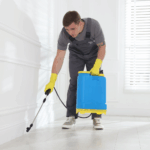
- **Residual Sprays:** These sprays leave behind a chemical residue that continues to kill ants for a period after application. They are useful for creating an outdoor barrier around your home’s perimeter to prevent ants from entering. However, indoor use should be limited and targeted to avoid unnecessary chemical exposure. Using them indiscriminately indoors can also lead to colony scattering. Always read and follow the label instructions carefully. For more information on safe pesticide use, refer to the Environmental Protection Agency (EPA): Pesticide Safety guidelines.
3.3.3. Insecticidal Dusts: For Hidden Areas
Insecticidal dusts are dry, powdered insecticides that can be very effective for treating hidden areas where ant nests might be located.
- **Effective Use:** These dusts are excellent for application into wall voids, behind baseboards, under appliances, or even into electrical outlets (but only with extreme caution and after turning off the power to the circuit). They are a valuable tool when you suspect a nest is hidden within a structure.
- **Long-Lasting Effect:** Dusts provide a long-lasting residual effect, continuing to kill ants that come into contact with them over time.
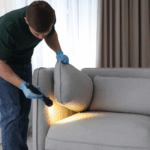
- **Caution:** Due to the risk of inhalation, insecticidal dusts must be applied with extreme care. Always wear appropriate protective gear (like a mask and gloves) and follow the product label instructions precisely. Never apply dusts in areas where they can easily become airborne and inhaled by people or pets. Consult the Environmental Protection Agency (EPA): Safe Pesticide Use for best practices.
3.3.4. Factors to Consider When Selecting the Best Ant Killer:
To make the right choice for your ant infestation treatment, remember these key points:
- **Ant Species:** The specific type of ant you have will greatly influence the most effective product. Identify them first!
- **Location of Infestation:** Is the problem indoors or outdoors? This impacts the type of product and application method.
- **Safety Concerns:** Always prioritize the safety of children, pets, and other inhabitants. Baits, when properly placed, are often considered the best ant killer for indoor colony elimination due to their contained nature.
By carefully considering these factors, you can choose the most effective and safest methods for your specific ant control situation.
4. When to Call for Professional Ant Pest Control: Recognizing When You Need Expert Help
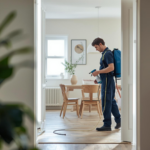
While many DIY methods can be effective for common ant issues, there are certain situations where calling in professional ant pest control experts is the smartest and most efficient solution. Knowing when to seek professional help can save you time, money, and frustration in the long run.
4.1. Clear Instances for Professional Intervention:
Here are some signs that it might be time to bring in the pros for your ant infestation treatment:
- **Persistent Problems:** If you’ve tried various DIY methods for several weeks and the ant problem simply won’t go away, or if they keep returning shortly after treatment, it’s a good indicator that you need specialized help.
- **Large-Scale Infestations:** When ant activity is widespread throughout your home, overwhelming, and seems too much to handle with homeowner products, professionals have the tools and knowledge for a comprehensive attack. A significant ant infestation requires a professional approach.
- **Challenging Species:** Infestations by difficult-to-control ant species, like pharaoh ants (which spread when sprayed) or other aggressive or persistent types, often require the specialized knowledge and professional-grade products that only experts possess.
- **Suspected Structural Damage:** If you have carpenter ants, or if you suspect that ants have caused damage to the wooden structures of your home, a professional can accurately identify the extent of the problem. They can assess the damage and implement appropriate treatments to stop the ants and prevent further harm.
- **Hard-to-Reach Nests:** If you believe the ant nest is located in an inaccessible area, such as inside walls, under concrete slabs, in high attics, or deep within insulation, professionals have the equipment and experience to reach and treat these hidden areas safely and effectively.
4.2. Benefits of Professional Ant Pest Control:
Hiring a professional for ant pest control offers several key advantages:
- **Expert Identification:** Pest control technicians are trained to accurately identify the specific ant species causing the problem. This is crucial because, as we discussed, different ants require different ant infestation treatment approaches. They can also pinpoint nesting sites you might miss.
- **Specialized Products:** Professionals have access to commercial-grade insecticides and application tools that are often more potent and effective than anything available to homeowners over-the-counter. These products are designed for thorough and long-lasting results.
- **Targeted Treatments:** With their expertise, professionals know exactly where and how to apply treatments effectively and safely. This minimizes risks to your family, pets, and the environment while maximizing the impact on the ant colony.
- **Long-Term Prevention Advice:** Beyond just treating the current problem, professionals can offer tailored advice on long-term prevention strategies that are specific to your home and its environment. They can help you identify and fix vulnerabilities.
- **Warranties and Follow-up:** Many reputable pest control companies offer warranties on their services and provide follow-up visits to ensure the ant problem is fully resolved. This gives you peace of mind that the issue will be handled completely.
Choosing professional help when needed is a smart part of your overall ant control strategy, ensuring your home remains secure and pest-free.
5. Long-Term Ant Control and Prevention: Sustaining a Pest-Free Home
Getting rid of ants is a great start, but keeping them away requires an ongoing effort. Effective ant control isn’t a one-time fix; it’s a continuous process that involves vigilance and consistent application of preventive measures. Sustaining a pest-free home means staying alert.
To maintain a pest-free home, you must stay alert. Continually monitor your home for any new signs of ant activity. Small trails or a few ants exploring indoors can be early warnings of a new problem or a returning one. Addressing these early can prevent a full-blown ant infestation treatment later.
It’s also smart to reinforce your preventive measures regularly. Think about seasonal ant control tips. For example, before spring arrives and ants become much more active, take the time to re-seal any new cracks or openings you find around your home. This pre-emptive sealing helps block their access points before they even start looking for a way in.
In some cases, especially if you live in an area prone to ants, a professional might recommend exterior barrier treatments. These treatments create a protective zone around your home that repels or kills ants attempting to cross it. If a professional advises this, it can be a highly effective way to bolster your defenses.
Ultimately, the most successful strategies for ant control combine proactive prevention with appropriate ant infestation treatment whenever it’s necessary. This creates a continuous cycle of protection that keeps your home secure and comfortable, free from unwanted ant invaders. By staying diligent, you can enjoy a peaceful, ant-free environment year after year.
6. Conclusion: Empowering Yourself for Effective Ant Management
Tackling an ant infestation can seem like a daunting task, but it doesn’t have to be. As we’ve learned, successful ant control requires a comprehensive understanding of ant behavior and a strategic approach to management. By taking the right steps, you can effectively protect your home.
Remember the key takeaways from this guide: diligent sanitation is your first line of defense, keeping food sources and moisture out of reach. Sealing entry points creates a physical barrier, making it harder for ants to get inside. When choosing products, wisely selecting the best ant killer for your specific situation, such as targeted baits for colony elimination, is crucial. Finally, knowing when to engage professional ant pest control ensures that persistent or complex infestations are handled expertly.
By applying these strategies, you empower yourself to take immediate and effective steps. You can secure your home against ants, maintain a pest-free environment, and enjoy the comfort and peace of mind you deserve. Take action today to make your home an ant-free zone!
Frequently Asked Questions
- How long does it take to get rid of an ant infestation?The time frame varies depending on the species, the size of the colony, and the chosen treatment method. Baits, while effective for colony elimination, can take several days to a few weeks to show full results. For large or persistent infestations, professional treatment might offer quicker and more thorough resolution, typically within a few weeks, with follow-up visits.
- Are ant baits safe to use around pets and children?When used correctly, ant baits are generally considered safer than sprays for indoor use. The active insecticide is contained within a station or gel, reducing direct exposure. However, it’s crucial to place baits in areas inaccessible to children and pets (e.g., inside cabinets, under appliances) and always follow the product’s label instructions carefully. Choose pet-safe options where available.
- Can ants cause structural damage to my home?Yes, certain species like carpenter ants can cause significant structural damage. Unlike termites, carpenter ants don’t eat wood but tunnel through it to create nests, weakening wooden beams, floors, and walls over time. Their presence often indicates an underlying moisture problem that also needs to be addressed. Early identification and treatment are vital to prevent extensive damage.
- Why do ants keep coming back after I spray them?Sprays often only kill the visible foraging ants but do not eliminate the hidden colony or the queen. When stressed, some ant species (like pharaoh ants) may even “bud” and split into multiple new colonies, making the problem worse. For long-term ant control, it’s essential to target the entire colony, usually with baits, or seek professional help for thorough elimination.