Estimated reading time: 8 minutes
Key Takeaways
- Termites are “silent destroyers” responsible for *billions* in property damage annually.
- Most homeowners insurance policies *do not* cover termite-related damage, making professional prevention vital.
- DIY termite control is largely *ineffective and dangerous*, often worsening infestations.
- Professional termite control services involve thorough inspection, customized treatment plans (liquid barriers, bait systems, direct wood treatments, fumigation), and ongoing monitoring.
- Choosing the best termite control service means verifying experience, licensing, insurance, reputation, warranty, and transparent pricing.
- Opting for termite control near me provides advantages like regional expertise, faster response times, and knowledge of local regulations.
- Proactive professional intervention is key to safeguarding your home and ensuring long-term peace of mind.
Table of contents
- Protect Your Home: A Comprehensive Guide to Choosing the Best Termite Control Services
- Key Takeaways
- Unearthing the Silent Threat and the Power of Professional Termite Control Services
- The Devastating Truth: Why Professional Termite Control is Crucial
- The Professional Approach to Termite Treatment: A Step-by-Step Guide
- How to Choose the Best Termite Control Service: Your Guide to a Termite-Free Home
- Finding Termite Control Near Me: Local Expertise Matters
- Conclusion: Invest in Professional Termite Control Services for Peace of Mind
- Frequently Asked Questions
Termites are tiny pests, but they cause huge problems for homeowners. Understanding these “silent destroyers” and how to protect your home with expert termite control services is crucial. This guide will help you learn everything you need to know about keeping your property safe from these destructive insects.
Unearthing the Silent Threat and the Power of Professional Termite Control Services
Termites are often called “silent destroyers” for a very good reason. These tiny pests can chew through wood, flooring, and even wallpaper for years without being seen. They cause extensive damage before most homeowners even realize there’s a problem. This hidden destruction can sneak up on you, making your home unsafe and costing a lot of money to fix.
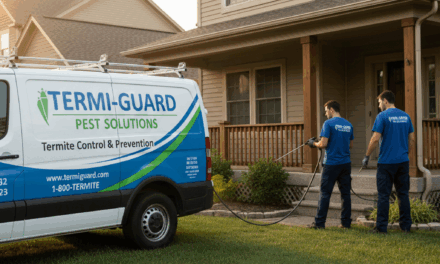
What are termite control services? These are professional solutions that thoroughly detect, eliminate, and prevent termite infestations. When you hire experts for termite control, you are safeguarding your property from expensive and often hidden destruction. These specialists use their knowledge and special tools to get rid of termites and stop them from coming back.
The scale of the termite problem is truly massive. Termites are responsible for billions of dollars in property damage every year in the United States. Often, these infestations go completely unnoticed for many years until serious structural damage has already occurred. This silent attack means your home could be at risk right now without any obvious signs. (Source: National Pest Management Association)
The financial impact of termite damage can be devastating. A crucial fact to remember is that most homeowners insurance policies typically do not cover damage caused by termites. This means that if termites destroy parts of your home, you will likely have to pay for all repairs yourself. This makes professional prevention and quick intervention through expert termite control services absolutely critical for every homeowner. (Source: National Pest Management Association)
This guide will equip you with vital knowledge. You will learn about the nuances of effective termite treatment, discover how to choose the best termite control service, and find tips for locating reliable termite control near me. Our goal is to ensure your home remains safe, sound, and protected from these relentless pests.
The Devastating Truth: Why Professional Termite Control is Crucial
Protecting your home from termites goes beyond simple pest removal; it’s about safeguarding your biggest investment. Professional termite control is not just an option, but a vital necessity for long-term home security.
The Silent Destroyer’s Impact
Termites are relentless workers. They tirelessly consume cellulose, a natural material found in wood, paper, fabrics, and even drywall. This constant feeding leads to continuous, internal structural degradation of your home. The damage often goes unnoticed because termites work from the inside out, deep within walls, floors, and foundations. By the time visible signs appear, the damage can be severe and widespread.
As mentioned, termites are responsible for billions of dollars in property damage annually across the United States. This staggering cost is almost always borne directly by homeowners, as standard insurance policies typically do not cover termite-related destruction. This fact alone underscores the vital importance of professional termite control and proactive termite management to protect your financial well-being and your property’s value. (Source: National Pest Management Association)
The Ineffectiveness and Dangers of DIY Termite Treatment
When facing a termite problem, many homeowners consider do-it-yourself (DIY) termite control. However, attempting DIY termite treatment is largely ineffective and can even make the infestation worse. Without proper knowledge and tools, you might accidentally scatter the termites, making professional eradication much more challenging later on.
There are specific limitations that make DIY approaches dangerous and unhelpful:
- Species Identification: Accurately identifying the specific termite species invading your home is paramount. Different types of termites, such as subterranean termites, drywood termites, or dampwood termites, have distinct behaviors and require significantly different termite treatment strategies. Without expert knowledge, correctly identifying the species is nearly impossible, leading to the wrong treatment methods being applied.
- Colony Location and Extent: Termite colonies are often extensive and hidden deep within structures or underground. DIY methods typically only address visible signs, like small tunnels or wood damage on the surface. These methods fail to locate and eliminate the main colony, which will continue to thrive and cause more harm. Professionals have specialized equipment to detect hidden colonies.
- Specialized Products and Application: Effective termite treatment requires specialized, often restricted, EPA-registered termiticides. These powerful chemicals need precise application techniques, specific equipment, and professional training to be effective and safe. Amateur methods lack these necessities, making them ineffective at best, a waste of money, and potentially harmful due to improper chemical handling.
This is why professionals are indispensable. They bring specialized knowledge of termite biology, their specific behavior patterns, and the appropriate termite treatment strategies required for successful, long-term termite control. Relying on experts ensures the job is done right, protecting your home for years to come. (Source: Purdue Extension)
The Professional Approach to Termite Treatment: A Step-by-Step Guide
Professional termite treatment is a methodical, multi-step process. It is designed for comprehensive eradication of existing colonies and long-term prevention of future infestations. This structured approach ensures that every aspect of the termite problem is addressed thoroughly.
Step 1: Initial Inspection and Identification
The first critical step involves a trained professional conducting a thorough inspection of your entire property. This includes checking the foundation, crawl spaces, attic, all wood structures, and the surrounding landscaping. Pest control experts look for subtle signs of termite activity, such as mud tubes, discarded wings, frass (termite droppings), and damaged wood. The primary goals of this inspection are to confirm the presence of termites, determine the exact species (e.g., subterranean, drywood), pinpoint active infestation sites, and assess the extent of any existing damage. This correct identification is absolutely crucial because termite treatment methods vary significantly based on the specific termite species found in your home.
Step 2: Development of a Customized Treatment Plan
After a detailed inspection, the professional develops a tailored termite treatment plan. This plan is not a one-size-fits-all solution; it is uniquely designed for your home’s specific situation.
Several factors influence the development of this plan. These include the specific termite species identified, the severity and exact location of the infestation, your home’s construction type (e.g., slab, crawl space), local environmental factors, and any preferences you might have as a homeowner, such as a desire for eco-friendly options.
Step 3: Application of Various Termite Treatment Methods
Depending on the customized plan, various advanced termite treatment methods may be employed. Professionals utilize the most effective and safest techniques available.
-
- Liquid Termiticides (Barrier Treatments):
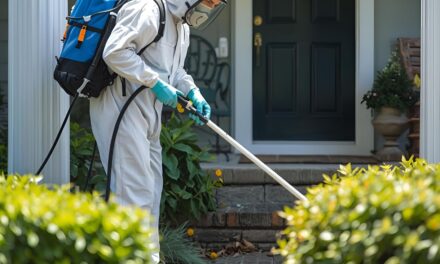
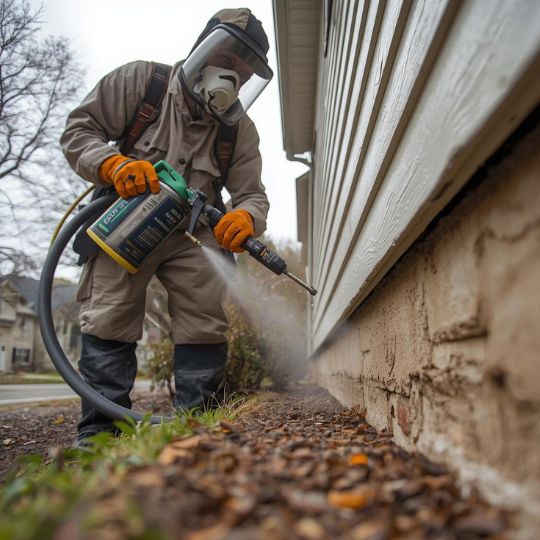
This method involves applying a highly effective, EPA-approved liquid termiticide (such as fipronil or imidacloprid) to the soil around your home’s foundation. This creates a continuous, undetectable chemical barrier. Termites attempting to cross this barrier are either killed on contact or, more commonly, pick up the slow-acting chemical. They then carry it back to the colony through social grooming, leading to widespread mortality within the colony over time. This barrier method is a strong defense against subterranean termites.
- Liquid Termiticides (Barrier Treatments):
-
- Termite Bait Systems:
Termite bait systems involve strategically placing bait stations containing an insect growth regulator or a slow-acting toxicant in the ground around the perimeter of your home. Termites forage, discover the bait, consume it, and then share it with other colony members, including the queen. The active ingredient either disrupts their molting process (preventing them from growing) or slowly kills them. This method ultimately leads to the complete elimination of the termite colony. Bait systems are often considered an eco-friendly option with minimal pesticide exposure to the surrounding environment compared to barrier treatments.
- Termite Bait Systems:
-
- Direct Wood Treatment:
Direct wood treatments are used for localized infestations or as a preventative measure for vulnerable wood components. Professionals may directly apply termiticides to infested wood, inject them into termite galleries (the tunnels termites create within wood), or utilize borate-based treatments. Borate treatments soak into the wood, making it toxic to termites and creating a protective barrier against future infestations in exposed wood. This approach is excellent for targeting specific problem areas or preemptive protection.
- Direct Wood Treatment:
- Fumigation (Primarily for Drywood Termites):
Fumigation is a specialized termite treatment reserved for severe drywood termite infestations. These infestations are particularly common in warm, coastal regions, like California. The process involves tenting the entire structure with a large tarp and introducing a gaseous pesticide. This gas penetrates all wood throughout the structure, effectively eliminating all termites within the treated building. It’s important to note that this method is less commonly used for subterranean termites, which typically infest from the soil.
(Source: U.S. Environmental Protection Agency; UC Davis Integrated Pest Management Program)
Step 4: Post-Treatment Monitoring and Follow-up
Effective termite control doesn’t end with the initial application. It often includes ongoing monitoring and follow-up visits. This is especially crucial with bait systems, where technicians need to check bait consumption and replenish stations. Monitoring confirms the treatment’s success and helps prevent re-infestation.
Many reputable companies offer annual inspections as part of a service agreement. These regular check-ups ensure long-term termite control, providing peace of mind that your home remains protected against these persistent pests. This proactive approach helps catch any new activity early, before significant damage can occur.
How to Choose the Best Termite Control Service: Your Guide to a Termite-Free Home
Selecting the best termite control service is paramount for protecting your home and preserving your investment. With so many options available, knowing what to look for can make all the difference.
Experience and Expertise
When evaluating termite control services, always look for companies with extensive experience specifically in termite control. This is particularly important for those familiar with local termite species and regional challenges, such as specific soil types or climate patterns that affect termite activity.
Ensure that the technicians who will be working on your property are certified, licensed, and undergo continuous training. This ensures they stay updated on the latest termite treatment methods and safety protocols. Don’t hesitate to inquire about their specific experience with the type of termite identified in your home; their specialized knowledge is a major asset.
Licensing, Insurance, and Certifications
Verifying credentials is a non-negotiable step. The company must be properly licensed by your state’s agricultural department or structural pest control board. This ensures they meet the legal requirements to operate.
Confirm that they carry adequate liability insurance. This insurance protects you in case of any accidents or property damage that might occur during the termite treatment process. Look for certifications from reputable industry organizations, such as the National Pest Management Association’s QualityPro program. These certifications indicate a commitment to higher standards of service, safety, and ethical business practices. (Source: NPMA QualityPro; California Structural Pest Control Board)
Reputation and Customer Reviews
Thoroughly research the company’s reputation before making a decision. Check online review platforms like Google, Yelp, and Angi for customer feedback. Also, consult the Better Business Bureau (BBB) for their rating and to see if there are any reported complaints. A strong local reputation is often a reliable indicator of trustworthy and effective termite control services. Don’t be afraid to ask the company for local references from past clients. (Source: Better Business Bureau; Consumer Reports)
Warranty or Guarantee
A reputable company should always provide a written service agreement that includes a clear warranty or guarantee on their termite treatment work. This gives you assurance that they stand behind their services.
Carefully read and understand the terms of the warranty. What is the duration of the warranty? What does it specifically cover (e.g., re-treatment for re-infestation, repair of new damage)? Are there any annual renewal requirements or conditions you need to meet to keep the warranty valid? Clear understanding of these terms is essential.
Transparent Pricing and Detailed Service Agreements
Insist on receiving a written estimate and a comprehensive service agreement before any work commences. This document should explicitly detail the specific termite treatment methods to be used, the chemicals involved, the estimated duration of the service, the total cost, payment terms, and all warranty information.
Be wary of companies that offer significantly low bids without conducting a thorough inspection first. Also, avoid those that pressure you into immediate decisions. A professional company will provide clear, upfront information and allow you time to review it.
Commitment to Safety and Environmentally Responsible Practices
Inquire about the company’s safety protocols. This includes safety measures for their technicians, for the residents of your home, for your pets, and for the surrounding environment. Professional exterminators should use only EPA-registered products and apply them strictly according to label instructions to minimize any potential risks.
They should also be able to explain their approach to environmentally sensitive termite treatment options if you have specific preferences or concerns about ecological impact. A responsible company prioritizes safety and sustainability. (Source: U.S. Environmental Protection Agency)
Finding Termite Control Near Me: Local Expertise Matters
When dealing with termites, choosing a local provider for termite control near me offers distinct and significant advantages. Local companies often have a deeper understanding of the unique challenges in your specific area, leading to more effective termite management.
Familiarity with Regional Challenges
Local companies possess intimate knowledge of the specific termite species prevalent in your area. For instance, some regions might deal primarily with subterranean termites, while others struggle more with drywood termites. Local experts also understand environmental factors like soil types, climate patterns, and common vegetation, all of which impact termite activity and behavior.
This regional expertise allows for more accurate diagnoses and the development of tailored termite control services that are most effective for your specific conditions. They know what works best in your neighborhood.
Faster Response Times
In the unfortunate event of an active infestation, or even a re-infestation, a local provider can typically respond much more quickly. This means faster inspections, quicker deployment of emergency termite treatment, and more timely follow-up visits. Prompt action minimizes potential damage to your property and provides faster relief from the stress of an infestation.
Knowledge of Local Regulations
Local businesses are generally well-versed in local and state regulations regarding pesticide application and general pest control practices. This ensures that all termite control activities performed on your property are fully compliant with legal standards and environmental guidelines. You won’t have to worry about improper procedures.
Community Accountability
Local companies often rely heavily on word-of-mouth referrals and their reputation within the community. This dependence on local trust translates into a stronger commitment to customer satisfaction and the consistent delivery of high-quality termite control services. They have a vested interest in keeping their local customers happy and their reputation strong.
Tips for Finding Reputable Local Services (Termite Control Near Me)
Finding a reliable local professional is easier than you might think:
- Online Searches: Start by using specific keywords in your online search engine. Try phrases like “termite control [your city/state]” or “pest control services near me” to generate localized results.
- Referrals: Ask your neighbors, friends, family members, or local real estate agents for their recommendations. They often have firsthand experience with reliable companies in the area and can offer trusted advice.
- Local Associations: Check with local home builder associations or real estate boards. These organizations often have preferred or recommended pest control partners they work with regularly, indicating a level of trust and professionalism.
- Verify Credentials: Once you have identified a few promising options, always perform due diligence. Verify their licensing and insurance, and check their online reviews and Better Business Bureau (BBB) rating to ensure they are reputable and reliable. (Source: Better Business Bureau; National Pest Management Association)
Conclusion: Invest in Professional Termite Control Services for Peace of Mind
Termites pose a severe, often hidden, threat to your home’s structural integrity and overall value. These tiny invaders can silently eat away at your property, leading to costly and extensive damage that insurance typically won’t cover. Because of this, professional termite control services are not merely a convenience but an absolute necessity for effective protection.
Choosing the best termite control service requires careful consideration. Look for companies with extensive experience, proper licensing and insurance, a strong reputation backed by customer reviews, transparent pricing, and comprehensive warranties. These factors ensure you are hiring a trustworthy and effective partner in home protection.
Don’t wait until visible damage occurs. Proactive protection is always the best strategy against these silent destroyers. Investing in expert termite control is an investment in your home’s long-term health, safety, and your peace of mind. Safeguarding your property now will save you stress and significant expenses in the future.
Take the next crucial step today. Contact reputable termite control services near me for a professional inspection and a customized termite treatment plan. Protect your most valuable asset from these persistent and destructive pests.
Frequently Asked Questions
-
- Q: What are the early signs of a termite infestation?
A: Early signs can be subtle and often hard to spot without professional training. Look for mud tubes (pencil-sized tunnels) on foundations or walls, discarded wings near windows or doors, hollow-sounding wood, or small piles of “frass” (termite droppings) resembling sawdust. For more details, refer to our section on early signs of termite infestation.
- Q: What are the early signs of a termite infestation?
-
- Q: Why shouldn’t I try DIY termite control?
A: DIY methods are largely ineffective because they rarely address the entire colony, which is often hidden deep within structures or underground. Misidentification of termite species can lead to incorrect treatment, and improper use of chemicals can be dangerous and worsen the problem. Professional expertise and specialized tools are crucial for complete eradication.
- Q: Why shouldn’t I try DIY termite control?
-
- Q: Does homeowners insurance cover termite damage?
A: In most cases, standard homeowners insurance policies do not cover damage caused by termites. This is because termite infestations are typically considered preventable through regular maintenance. This makes professional prevention and prompt intervention even more critical to protect your financial investment.
- Q: Does homeowners insurance cover termite damage?
-
- Q: What are the main types of professional termite treatment?
A: Professionals commonly use several methods, including liquid termiticide barrier treatments around the foundation, termite bait systems strategically placed in the ground, and direct wood treatments for localized infestations. In severe drywood termite cases, fumigation (tenting the entire structure) may be used. The best method depends on the termite species and infestation severity.
- Q: What are the main types of professional termite treatment?
- Q: How often should I get my home inspected for termites?
A: It is highly recommended to have a professional termite inspection at least once a year, especially if you live in an area prone to termite activity. Regular inspections can detect early signs of infestation before significant damage occurs, saving you costly repairs in the long run. Many reputable companies offer annual inspection services as part of their warranty or service agreements.