Estimated reading time: 13-15 minutes
Key Takeaways
- Termites are often called *“silent destroyers”* because they cause significant, often unseen, damage to homes.
- Engaging professional termite control services is the most effective solution for identifying, eradicating, and preventing these pests.
- *Do-it-yourself methods* are largely ineffective for long-term termite control as they fail to eliminate entire colonies.
- Professionals offer diverse termite treatment options, including *liquid barriers*, *bait systems*, *fumigation*, and *direct wood treatments*.
- Choosing the best termite control service involves checking their experience, licensing, insurance, guarantees, and thorough inspection process.
- Opting for a *local provider* offers advantages such as understanding regional termite species, rapid response times, and personalized service.
- The professional process involves an *initial inspection*, a *customized treatment plan*, *execution*, *follow-up monitoring*, and *prevention strategies*.
Table of contents
- The Ultimate Guide to Professional Termite Control Services: Finding the Best Termite Treatment & Prevention
- Key Takeaways
- The Silent Threat: Understanding Termites and Why Professional Termite Control is Crucial
- Exploring Effective Termite Treatment Options: What Professionals Offer
- How to Choose the Best Termite Control Service for Your Home
- Finding Termite Control Near You: The Local Advantage
- The Professional Termite Control Process: What to Expect
- Conclusion & Call to Action
- Frequently Asked Questions
Termites are the quintessential “silent destroyers.” These tiny pests can cause significant, often unseen, damage to homes, eating away at the very structure that provides shelter and security. You might not even know they’re there until the damage is already extensive. By the time visible signs appear, like sagging floors or damaged walls, a full-blown infestation might have been underway for months, if not years. This makes *proactive measures* and *early detection* absolutely essential.
The most effective solution for identifying, eradicating, and preventing these insidious pests is engaging professional termite control services. These experts possess the knowledge and tools to tackle an infestation head-on.
In this comprehensive guide, you’ll learn everything you need to know: from understanding the subtle yet severe threat termites pose, to exploring various effective termite treatment options available. We’ll also walk you through how to choose the best termite control service for your property, highlight the distinct advantages of opting for local providers, and explain exactly what to expect from the professional process. Protecting your home starts with effective termite control.
The Silent Threat: Understanding Termites and Why Professional Termite Control is Crucial
Termites represent a significant danger to property owners. Understanding these pests and the damage they inflict is the first step toward effective prevention and management. This section will delve into their nature and explain why professional intervention for termite control is not just an option, but a *necessity*.
The Silent Threat and Damage
Termites are social insects that thrive in colonies, feeding primarily on cellulose. This organic compound is abundantly found in wood, which forms the structural backbone of most homes. However, their destructive diet isn’t limited to timber; they will also consume paper, cloth, and even some plastics, causing widespread damage throughout a property.
These “silent destroyers” earned their moniker because they can chew through wooden structures, flooring, ceiling beams, and even wallpaper undetected for extended periods. They often create tunnels within walls or beneath floors, operating out of sight, which allows them to inflict significant structural damage before any outward signs become apparent. This hidden destruction often compromises the integrity of your home’s framework. The U.S. Environmental Protection Agency (EPA) notes that termites cause *billions of dollars* in property damage annually across the United States. Alarmingly, much of this extensive damage is often not covered by standard homeowner’s insurance policies, leading to substantial financial burdens for property owners. [Source: U.S. Environmental Protection Agency (EPA)]
Common Signs of Infestation:
Early detection is key to limiting termite damage. Here are the detailed signs you should watch for:
- Mud Tubes: These are earthen tunnels, roughly the width of a pencil, built by subterranean termites. You’ll often find them on foundations, exterior walls, interior walls, or floor joists. Termites construct these tubes to travel between their underground nest and a food source (your home’s wood) while staying protected from open air, which can dehydrate them. They are a clear indicator of active subterranean termite activity.
- Discarded Wings: After reproductive termites, known as “swarmers,” emerge from a mature colony to find a mate and establish a new colony, they shed their wings. These delicate, translucent wings are often found in piles near windowsills, doors, or other potential entry points, especially in spring or after rainfall. Finding these tiny wings suggests that a termite swarm has recently occurred, indicating a mature colony is nearby.
- Frass: This term refers to pellets of termite excrement. Unlike the sawdust-like droppings of carpenter ants, drywood termite frass is distinct, resembling tiny, six-sided pellets often found near infested wooden items or kicked out of small “kick-out” holes they create in the wood. Its presence usually signifies a drywood termite infestation within the adjacent wood.
- Hollow-Sounding Wood: Termites consume wood from the inside out, leaving a thin veneer of paint or wood on the surface. If you gently tap on wooden structures like walls, doors, or trim and they sound *hollow or dull*, it strongly indicates that termites have created tunnels and galleries within.
- Bubbling or Distorted Paint/Wallpaper: As termites tunnel underneath painted surfaces or wallpaper, their activity can cause these coverings to ripple, blister, or distort. This is often mistaken for water damage, but upon closer inspection, it can reveal the tell-tale signs of termite galleries just beneath the surface.
Why DIY Methods Are Ineffective
When faced with these destructive pests, many homeowners might initially consider do-it-yourself (DIY) termite treatment products. However, these methods are almost universally *ineffective* for long-term termite control.
Most over-the-counter products available to consumers are designed to treat only surface termites or small, visible areas of activity. They might kill a few individual termites you see, but they utterly fail to eliminate the entire colony. Termite colonies can be massive, numbering in the hundreds of thousands to even millions of individual insects, with a complex network of tunnels and foraging patterns that extend deep within structures and underground. A queen termite, hidden deep within the nest, can continue to lay thousands of eggs, ensuring the colony’s rapid resurgence if not fully eradicated.
Professional pest control technicians, on the other hand, possess specialized knowledge, advanced equipment, and access to restricted-use, highly effective termiticides. They are trained to accurately identify the specific termite species, which dictates the most appropriate termite treatment. Crucially, they know how to locate the hidden colonies and apply treatments safely and effectively to eradicate the entire infestation and prevent its recurrence. University extension services consistently emphasize that DIY termite treatments are rarely effective for long-term control, often only delaying the inevitable professional intervention. [Source: University Extension Services (e.g., University of Florida IFAS)] For lasting termite control, professional help is indispensable.
Exploring Effective Termite Treatment Options: What Professionals Offer
Professional termite control services utilize a diverse range of treatment methods. Often, the best termite treatment strategy involves combining several approaches to achieve comprehensive management. The choice of method is always tailored to specific factors, including the identified termite species, the severity and location of the infestation, and the structural considerations of the property.
Liquid Barrier Treatments (Termiticides)
Liquid barrier treatments are one of the most common and robust forms of termite treatment, primarily used for subterranean termites.
- How it Works: This method involves applying a highly effective liquid termiticide to the soil directly around the foundation of a structure. The goal is to create a *continuous, protective chemical barrier* that termites cannot penetrate.
- Mechanism: When subterranean termites attempt to cross this treated soil barrier, they are affected in one of two ways. *Repellent termiticides* will actively deter termites from entering the treated zone. *Non-repellent termiticides*, such as fipronil or chlorantraniliprole, are undetectable to termites. Termites unknowingly tunnel through the treated soil, picking up the chemical on their bodies. They then transfer this chemical to other termites within the colony through social interaction (grooming and feeding), leading to a slower but more complete colony elimination. This “transfer effect” is a powerful tool in professional termite control.
- Application: Application requires extensive preparation. Technicians typically dig a trench around the foundation perimeter, treating the soil within it. For concrete slabs or areas where soil access is limited, small holes are drilled through the slab or foundation walls to inject the termiticide directly into voids or beneath the slab. This *precise application* ensures the barrier is unbroken.
- Benefits: Liquid barriers provide *immediate protection* against foraging termites attempting to enter the home. They also offer *long-lasting residual effects*, typically remaining effective in the soil for several years, providing extended protection. This method is highly effective for eradicating and preventing subterranean termite infestations.
- Considerations: This treatment often requires significant homeowner preparation, such as moving shrubs, landscaping materials, or stored items away from the foundation. It can be disruptive to landscaping and needs very precise application by trained professionals to ensure the barrier is complete and effective.
Termite Bait Systems
Termite bait systems offer a less intrusive yet highly effective approach to termite control, particularly for subterranean termites.
- How it Works: This method involves strategically placing inconspicuous bait stations in the ground around the perimeter of the property, typically every 10-20 feet. These stations contain attractive cellulose material laced with a *slow-acting insect growth regulator (IGR)* or another type of non-repellent insecticide.
- Mechanism: Foraging termites discover these bait stations as they search for food. They consume the bait material, which is more palatable than wood, and carry it back to their colony. The slow-acting nature of the active ingredient ensures that it is shared widely among other termites, including soldiers, workers, and crucially, the queen, before the effects become apparent. The IGRs interfere with the termites’ molting process, preventing them from developing properly, eventually leading to the *colony’s decline and demise*.
- Application: Once installed, these bait stations are monitored regularly by pest control technicians. During monitoring visits, technicians inspect the stations for termite activity and replenish the bait as needed. This *ongoing monitoring* is a key component of this termite treatment.
- Benefits: Bait systems are *less intrusive* than liquid treatments, causing minimal disruption to landscaping or home interiors. They are considered more *environmentally friendly* due to their localized application, targeting only the termites. They are highly effective for *complete colony elimination* and provide ongoing monitoring for future termite activity, acting as both a treatment and a preventative measure.
- Considerations: One drawback is that bait systems are *slower acting* compared to liquid barriers. It can take several weeks or even months to achieve full colony control, as the bait needs to be discovered, consumed, and distributed throughout the colony. Consistent, *regular monitoring* by a professional is crucial for their success.
Fumigation (Tent Fumigation)
Fumigation is a specialized and potent form of termite treatment reserved for specific types of infestations, mainly widespread drywood termites.
- How it Works: This method involves enclosing the entire structure with large tarps or tents, creating a sealed environment. Once tented, a fumigant gas, such as sulfuryl fluoride, is released inside.
- Mechanism: The fumigant gas *permeates every piece of wood* within the structure, including inaccessible areas like inside walls, attics, and furniture. This gas effectively penetrates all wood galleries, killing all drywood termites present, regardless of where they are hiding.
- Application: This is a *highly disruptive process*. Homeowners are required to vacate the property for several days (typically 24-72 hours). Extensive preparation is also necessary, including removing all food items, medications, plants, and pets from the premises. Pilot lights must be extinguished, and appliances often need to be prepared.
- Benefits: Fumigation is *exceptionally effective* for eradicating widespread drywood termite infestations throughout an entire structure. It ensures that every drywood termite colony, no matter how hidden, is eliminated.
- Considerations: The primary downsides are its very *disruptive nature* and *high cost*. Moreover, while it eradicates existing infestations, fumigation offers *no residual protection* against future termite infestations. Once the tent is removed and the gas dissipates, the property is vulnerable again to new drywood termite colonies establishing themselves.
Direct Wood Treatment (Spot Treatments)
Direct wood treatments are a targeted approach, suitable for localized termite treatment.
- How it Works: This method involves applying insecticides *directly into infested wood, termite galleries, or voids* where termite activity has been precisely identified. This can include liquid termiticides, borate solutions (which contain borax-based chemicals that prevent termites from digesting wood), or insecticidal foams that expand into cavities.
- Application: Direct wood treatment is typically used for *contained or localized infestations* of either drywood or subterranean termites where the activity is visible and accessible. For instance, if termites are found only in a specific door frame or a small section of a wall, this method might be recommended. Technicians often drill small holes into the infested wood to inject the treatment directly into the termite tunnels.
- Benefits: This approach is *less intrusive* than whole-structure treatments like fumigation or extensive liquid barrier applications. It is a good option for addressing isolated, contained infestations without disrupting the entire property.
- Considerations: The main limitation is that it is *only effective for the specific areas treated*. If the infestation is more widespread or if there are hidden satellite colonies, direct wood treatments alone may not address the entire problem, potentially leading to recurrence. A *thorough inspection* is crucial to determine if this method is sufficient.
Physical Barriers
Physical barriers represent a proactive, non-chemical approach to termite control, primarily implemented during new construction or major renovations.
- How it Works: These are *impenetrable layers* installed in the foundation or around pipes and other entry points of a building. Examples include stainless steel mesh (like Termimesh) or sand barriers of specific particle sizes that termites cannot tunnel through. These barriers physically block termites from gaining entry into the structure.
- Benefits: Physical barriers offer a *long-lasting, non-chemical preventative measure* against termite invasion. They provide protection for the lifespan of the structure if properly installed.
- Considerations: This termite treatment option is *only applicable during the construction phase* of a new home or during significant renovations. For existing homes, installation can be extremely difficult and costly, if not impossible. Crucially, these barriers must be installed perfectly, without any gaps or breaches, to be effective. Even a small imperfection can allow termites to bypass the barrier.
These diverse options highlight the complexity of effective termite control. Professional termite control services will assess your unique situation and recommend the termite treatment plan that offers the best long-term protection for your home.
How to Choose the Best Termite Control Service for Your Home
Selecting a reputable and effective termite control service is arguably the most crucial step in protecting your property from these destructive pests. Making the right choice ensures that your investment is sound and your home is truly safe.
Experience and Reputation
When seeking the best termite control service, prioritize companies with a *long-standing history* in the community. Look for providers that have a proven track record of successful termite treatment and management. A company with years of experience has likely encountered and resolved a wide variety of termite challenges. To gauge their reputation, check online reviews on platforms like Google, Yelp, and the Better Business Bureau (BBB). Don’t hesitate to ask for local references from previous clients. Also, inquire about their specific experience with the type of termite most common in your geographical area, as *regional expertise* is invaluable.
Licensing and Certifications
It is absolutely essential to verify that any prospective termite control service is properly licensed by your state’s agricultural or pest control regulatory agency. This ensures they meet minimum industry standards and operate legally. Furthermore, ensure that their technicians are also certified and undergo *regular training*. This commitment to ongoing education keeps them updated on the latest termite treatment methods, safety protocols, and pest management technologies, guaranteeing they meet professional standards and provide cutting-edge solutions.
Insurance
Before any work begins, confirm that the company carries comprehensive *general liability insurance* and *worker’s compensation*. General liability insurance protects you, the homeowner, from financial liability in case of accidental property damage that might occur during the termite treatment process. Worker’s compensation insurance protects you from liability if a technician is injured while working on your property. This coverage is *non-negotiable* for your protection and peace of mind.
Guarantees and Warranties
A reputable termite control service should stand by its work and offer a service guarantee or warranty on their termite treatments. Before committing, thoroughly understand what the warranty covers. Does it include *re-treatment* if termite activity recurs? Does it cover *repairs* for new damage if termites return? What is the *duration* of the warranty (e.g., one year, five years)? Also, be clear about any conditions that might void the warranty, such as future renovations or changes to the property. A strong warranty demonstrates confidence in their termite control methods.
Detailed Inspection Process
The best termite control service will always begin with a *thorough, on-site inspection* of your entire property. This involves both the interior and exterior, including the foundation, attic, crawl space, and any other vulnerable areas. This comprehensive assessment is crucial for accurately identifying the termite species, locating all areas of activity, determining the extent of the infestation, and pinpointing any conducive conditions that attract termites (like moisture problems or wood-to-soil contact). A significant red flag is any company that provides a quote or recommends a termite treatment plan *without conducting such a detailed, physical inspection*.
Transparent Pricing and Written Estimates
Always obtain *detailed, written estimates* from multiple companies. These estimates should clearly outline the proposed termite treatment plan, including the specific methods and chemicals to be used, the exact areas to be treated, the total cost, and all warranty information. Be wary of significantly low bids, as they might indicate shortcuts in treatment, use of inferior products, or hidden costs that will surface later. *Transparent pricing* is a hallmark of an honest and reliable termite control service.
Customer Service and Communication
The quality of customer service and communication can significantly impact your experience. A good company will have responsive customer service representatives who are available to answer your questions. Technicians should clearly explain the treatment process, walk you through the report, address all your concerns, and provide clear safety instructions for you and your family before, during, and after the treatment. *Effective communication* builds trust and ensures you are fully informed.
Integrated Pest Management (IPM) Approach
Consider companies that emphasize an *Integrated Pest Management (IPM)* approach for termite control. IPM focuses not solely on chemical treatments but also on a holistic strategy that includes preventative measures, long-term monitoring, and habitat modification. This approach aims for a more *sustainable and environmentally conscious* solution, addressing the root causes of infestations rather than just the symptoms. Consumer advocacy groups and industry associations, such as the National Pest Management Association (NPMA), consistently highlight these key criteria for selecting a reputable and effective termite control service, underscoring the importance of making an informed decision. [Source: Consumer Reports / National Pest Management Association (NPMA)]
Finding Termite Control Near You: The Local Advantage
When the urgent need for termite control arises, many homeowners search for “termite control near me.” Opting for a local service provider offers distinct advantages that can lead to more effective and responsive pest management.
Understanding Regional Termite Species and Environmental Factors
Local termite control services are intimately familiar with the *specific termite species prevalent in your geographical area*. Whether it’s the highly destructive subterranean termites, the elusive drywood termites, or the less common dampwood termites, local experts understand their unique behaviors, nesting habits, and vulnerabilities. Beyond species knowledge, they also understand local environmental conditions such as soil types, humidity levels, climate patterns, and common building practices in the region. This *localized expertise* allows them to recommend the most effective and targeted termite treatment options and preventative strategies specifically suited to your home and its environment. Their deep understanding of the local ecosystem is a significant benefit to effective termite control.
Rapid Response Times
A key advantage of choosing a local provider for termite control services is their ability to offer *quicker response times*. This applies to initial inspections, urgent emergency calls (especially when active swarms or significant damage are discovered), and crucial follow-up services. When dealing with an active termite infestation, *every day counts*. Rapid intervention is crucial for managing the problem effectively before further, costly damage can occur to your property’s structural integrity.
Personalized Service and Accountability
Local businesses often pride themselves on building strong relationships within their community. Unlike large national chains, local termite control companies often provide a *more personalized service experience*. Customers are more likely to receive direct attention, and the technicians become familiar with your property and its specific history of pest activity. Local providers also have a direct stake in maintaining a positive local reputation. Their business relies heavily on word-of-mouth and customer satisfaction within their community, which translates into higher accountability and generally *superior service quality*.
Knowledge of Local Regulations
Pest control, including termite control, is often subject to specific state and local regulations, permits, and environmental guidelines. Local companies are well-versed in these specific requirements, ensuring that all termite treatment applications and procedures are *fully compliant with relevant laws*. This knowledge helps to avoid any legal complications and ensures that treatments are performed safely and responsibly according to local standards.
The Professional Termite Control Process: What to Expect
Engaging a professional termite control service involves a structured and systematic approach. While specific steps may vary slightly depending on the company and the severity of the infestation, a reputable provider generally follows a clear process to ensure comprehensive eradication and long-term prevention. Understanding this process can help you feel more confident and prepared.
1. Initial Inspection
The journey to effective termite control always begins with a *thorough initial inspection*. A certified termite control technician will conduct a comprehensive assessment of your entire property. This includes meticulously examining the interior, exterior, foundation, attic, crawl space, and any other areas that are vulnerable to termite activity. During this inspection, they are actively looking for any and all signs of termites, accurately identifying the species, assessing the extent of any existing damage, and pinpointing conducive conditions that might be attracting or sustaining the infestation (e.g., excessive moisture, wood-to-soil contact, clogged gutters).
2. Detailed Report and Customized Treatment Plan
Based on the findings from the initial inspection, the technician will prepare a *detailed report*. This report outlines all discovered issues, including specific evidence of termites, the species identified, and any damage noted. Crucially, they will then provide a transparent, *customized termite treatment plan* tailored precisely to your home’s unique needs. This plan will specify the recommended methods (e.g., liquid barrier, bait system, direct wood treatment), the chemicals intended for use, the specific areas that will be treated, the estimated timeline for the treatment, and the total cost involved.
3. Client Consultation
Following the presentation of the report and proposed plan, the technician will engage in a *client consultation*. During this interaction, they will thoroughly discuss the proposed termite control plan with you, explaining each step in clear, easy-to-understand language. They will answer all your questions, address any concerns you might have, and outline any preparatory steps you may need to take before the treatment commences (e.g., clearing access areas around your home, removing items from closets if interior treatment is needed). This ensures you are *fully informed* and comfortable with the process.
4. Execution of Termite Control
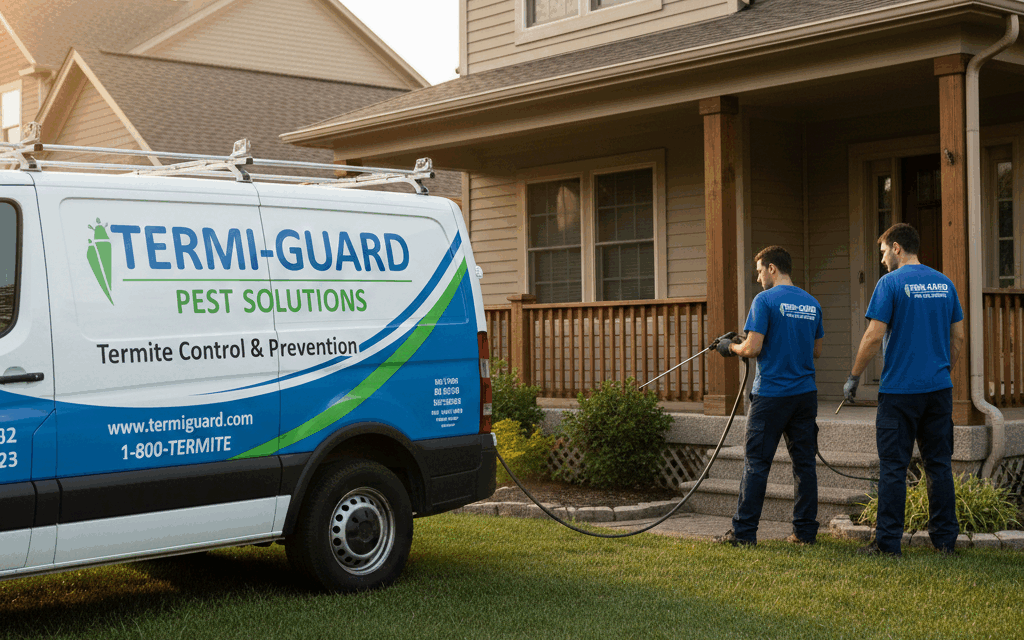
Once the treatment plan is agreed upon, the professional termite control service will proceed with the *execution of the chosen termite treatment*. This might involve various applications depending on the method. For liquid barriers, it could mean trenching and drilling around the foundation. If a bait system is chosen, technicians will strategically install and activate bait stations. For localized issues, direct wood treatments might be applied. Throughout this process, technicians adhere to *strict safety protocols*, using appropriate personal protective equipment (PPE) and ensuring the safe handling and application of all termiticides to protect your family, pets, and the environment.
5. Follow-up Inspections and Monitoring
For many termite treatments, particularly bait systems and those with long-term warranties, *follow-up inspections and ongoing monitoring* are absolutely crucial. These visits ensure the continued effectiveness of the termite control measures. Technicians will regularly inspect bait stations, replenishing them as needed. They will also re-inspect treated areas and other vulnerable points around your property, monitoring for any continuing termite activity. This vigilance ensures that the treatment is successful, the colony is eliminated, and your home remains protected.
6. Prevention Strategies and Documentation
Beyond active treatment, a comprehensive termite control service will often provide valuable recommendations for *long-term prevention*. These might include advice on improving drainage around your foundation, removing wood debris or excess mulch, trimming shrubs and trees away from the house to reduce moisture and access points, and repairing any leaky pipes or faucets. Finally, you should receive *thorough documentation* of all services performed, a record of the chemicals used, detailed warranty information, and a schedule for any future service or monitoring visits. This documentation is vital for your records and for understanding the ongoing protection of your property from wood-destroying pests.
Conclusion & Call to Action
Proactive and professional termite control services are an indispensable investment for safeguarding your home from significant structural and financial damage. The insidious nature of termites means that by the time visible signs appear, *extensive damage may already be present*, lurking unseen within your walls and floors. Relying on professional services ensures the use of effective, targeted termite treatments and long-term prevention strategies that DIY methods simply cannot match.
Choosing the best termite control service involves careful consideration of their experience, proper licensing, comprehensive insurance, transparent practices, and a holistic, integrated pest management approach. By selecting a reputable provider, especially a local one with specific knowledge of regional threats, homeowners can achieve *lasting peace of mind*. Remember, regular inspections and adherence to preventative measures recommended by professionals are key to maintaining a termite-free environment.
Don’t let these silent destroyers compromise your home’s integrity and your family’s safety. If you suspect termite activity or simply want robust preventative protection, *contact a trusted professional today* for a comprehensive inspection and a customized termite control solution. Protect your investment – secure the best termite control service for your property!
Frequently Asked Questions
- What are termites and why are they called “silent destroyers”?
Termites are social insects that feed on cellulose, primarily found in wood. They are called “silent destroyers” because they can chew through wooden structures, flooring, and other materials *undetected for extended periods*, causing significant structural damage before any visible signs appear.
- Why are DIY termite treatments generally ineffective?
DIY methods are ineffective because most over-the-counter products only treat surface termites and fail to eliminate the entire colony, which can be massive and hidden deep within structures. Professionals have specialized knowledge, equipment, and access to highly effective termiticides to eradicate the entire infestation.
- What are the main types of professional termite treatments available?
Professional treatments include *liquid barrier treatments* (creating a chemical barrier around the foundation), *termite bait systems* (using slow-acting bait to eliminate colonies), *fumigation* (for widespread drywood termite infestations, tenting the entire structure), *direct wood treatments* (for localized infestations), and *physical barriers* (installed during construction for prevention).
- How do liquid barrier treatments work?
Liquid barrier treatments involve applying a liquid termiticide to the soil around the foundation. Termites attempting to cross this barrier are either *repelled* or unknowingly pick up the non-repellent chemical, transferring it to other termites in the colony, leading to widespread elimination.
- What are the benefits of termite bait systems?
Bait systems are *less intrusive*, more *environmentally friendly*, and highly effective for *complete colony elimination*. They also provide ongoing monitoring for future termite activity, acting as both a treatment and a preventative measure.
- When is fumigation used for termite control?
Fumigation is primarily reserved for *widespread drywood termite infestations* where termites are present throughout an entire structure, including inaccessible areas. It ensures complete eradication of existing colonies but offers no residual protection.
- What should I look for when choosing a professional termite control service?
Look for companies with *extensive experience and a good reputation*, proper *licensing and certifications*, comprehensive *insurance*, clear *guarantees and warranties*, a *detailed inspection process*, *transparent pricing* and written estimates, excellent *customer service*, and an *Integrated Pest Management (IPM) approach*.
- Why is a local termite control provider often a better choice?
Local providers offer advantages like *intimate knowledge of regional termite species* and environmental factors, *rapid response times*, more *personalized service and accountability*, and familiarity with *local regulations*, leading to more effective and responsive pest management.
- What is involved in the professional termite control process?
The process typically includes an *initial, thorough inspection*, a *detailed report with a customized treatment plan*, a *client consultation*, the *execution of the chosen treatment*, *follow-up inspections and monitoring*, and *recommendations for long-term prevention* with documentation.
- Does homeowner’s insurance cover termite damage?
Alarmingly, much of the extensive damage caused by termites is *often not covered by standard homeowner’s insurance policies*, leading to substantial financial burdens for property owners.