Estimated reading time: 15 minutes
Key Takeaways
- Termites are “silent destroyers,” causing *billions of dollars in damage annually* to homes.
- **Professional termite control services** are a *critical investment* to safeguard your home’s structural integrity and value.
- DIY **termite treatment** methods are *insufficient* and often lead to recurring infestations and escalating damage.
- *Early detection* is paramount; look for subtle signs like mud tubes, discarded wings, hollow wood, and frass.
- Professional solutions include *liquid barrier treatments, baiting systems, fumigation, and localized applications*, tailored to specific needs.
- When choosing a service, verify *licensing, experience, reputation, transparency in proposals, and robust guarantees*.
- Selecting “**termite control near me**” offers *regional expertise, faster response times, and increased accountability* from local providers.
- The comprehensive **termite control process** involves *initial inspection, customized planning, expert implementation, post-treatment monitoring, and ongoing prevention*.
Table of contents
- The Imperative of Professional Termite Control Services: Protecting Your Home from Silent Destroyers
- Key Takeaways
- Understanding the Hidden Dangers of Termites
- Understanding Professional Termite Treatment Options
- Choosing the Best Termite Control Service
- The Local Advantage: Finding Termite Control Near Me
- The Professional Termite Control Services Journey: What to Expect
- Conclusion: Protecting Your Investment with Professional Termite Control Services
- Frequently Asked Questions
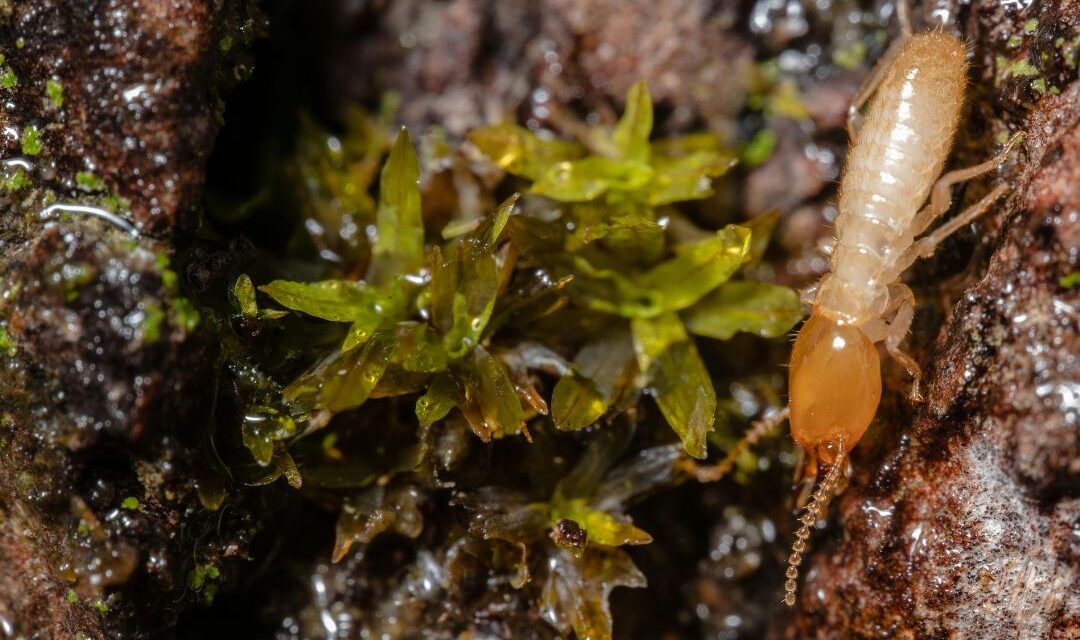
Termites are more than just a nuisance; they are a significant financial threat to homes across the United States. These tiny insects cause billions of dollars in damage each year, often without homeowners realizing they have a problem until it’s too late. They earn their grim nickname, “silent destroyers,” because of their remarkable ability to tunnel extensively through the very structure of your home, leaving no immediate visible signs of their destructive work.
This is precisely why professional termite control services are not merely a luxury but a critical, necessary investment. Opting for expert termite control is essential for safeguarding your home’s structural integrity, preserving its value, and ensuring the safety of your living environment. Without timely and effective intervention, these wood-destroying insects can compromise your property in severe and costly ways.
Understanding the Hidden Dangers of Termites
Termites represent a formidable and often unseen threat to any property. Their secretive nature and relentless destructive capabilities make them one of the most feared pests by homeowners. Understanding their hidden dangers is the first step toward effective protection. https://www.lexhygiene.com/understanding-termite-behavior/
The Hidden Nature of Termite Infestations
Termites, particularly subterranean species, are master infiltrators. These wood-boring insects build extensive colonies underground, establishing intricate networks of tunnels that allow them to enter structures through hidden pathways. This includes tiny cracks in foundations, utility conduits, and other concealed entry points that are *almost impossible for an untrained eye to detect*.
Due to this covert behavior, homeowners frequently discover an infestation only after considerable structural damage has already occurred. By the time mud tubes or damaged wood become apparent, a colony might have been feasting on your home for years. This underscores the challenge of early detection without specialized expertise.
(Source: [University Extension Office URL])
The Extent of Structural Damage Caused by Termites
Termites are voracious eaters of cellulose, a primary component found in a wide range of materials crucial to your home’s construction. This includes the wood used in framing, paper products like drywall, fabrics, and various other fibrous materials. Their continuous, relentless feeding activity systematically weakens critical structural components of your home.
This includes essential elements such as load-bearing beams, which support significant weight; floor joists, which create the framework for your floors; wall studs, which form the skeletal structure of your walls; and subflooring, the foundational layer beneath your finished floors. This weakening can lead to expensive structural repairs, requiring extensive and intrusive reconstruction work. In severe cases, it can even compromise the overall stability of the house, posing serious safety risks to its occupants.
(Source: [National Pest Management Association URL])
Why DIY Termite Treatment is Insufficient
Many homeowners might be tempted by readily available over-the-counter products for termite management. However, effective termite treatment against a widespread infestation demands a level of expertise, specialized equipment, and professional-grade chemicals that are simply *not accessible to the average consumer*. These products rarely provide a lasting solution.
DIY methods commonly fail to eradicate the entire termite colony, especially the queen and deeply hidden parts of the nest. This often results in recurring infestations, allowing the damage to continue unabated and worsening over time. Professionals, on the other hand, are rigorously trained to correctly identify different termite species, accurately locate entire colonies, and apply treatments safely and effectively, ensuring comprehensive termite control. Their expertise is critical for successful long-term eradication.
(Source: [Entomological Society URL])
Recognizing Common Signs of Termite Infestation
Even though termites are known as “silent destroyers,” there are often subtle signs that indicate their presence if you know what to look for. https://lexhygiene.com/early-signs-of-termite-infestation While many signs remain hidden, being aware of common indicators can help you react quickly and call for professional help.
Specific signs of an active infestation include:
- Mud Tubes on Foundations: Subterranean termites build narrow mud tunnels, often the width of a pencil, on exterior and interior foundation walls. These tubes act as protected highways between their underground nests and your home’s wooden structures.
- Discarded Wings: After a termite “swarm,” especially around spring or early summer, you might find small, translucent insect wings scattered near windows, doors, or other light sources. These are the wings shed by reproductive termites (swarmers) after they find a mate and attempt to start new colonies.
- Hollow-Sounding Wood: Tap on wooden surfaces throughout your home. If a solid piece of wood sounds hollow or papery when tapped, it could indicate that termites have eaten away the interior.
- Blistering or Darkening Wood: Damage beneath the surface can cause wood to blister, sag, or appear stained. Paint may peel or crack for no apparent reason, resembling water damage.
- Frass (Termite Droppings): Particularly indicative of drywood termites, frass consists of tiny, pellet-like droppings that resemble sawdust. You might find these small piles near infested wooden items, often pushed out of kick-out holes created by the termites.
It is crucial to emphasize that early detection by a professional is paramount for minimizing the extent of damage and reducing the overall cost of repairs. If you notice any of these signs, prompt action for termite control is necessary.
(Source: [University Extension Office URL])
Understanding Professional Termite Treatment Options
Professional termite control is a complex science that utilizes a variety of scientifically-backed methods. These strategies are carefully customized for the specific termite species involved, the extent and location of the infestation, and the unique characteristics of your property. Rather than a one-size-fits-all approach, experts conduct thorough inspections to determine the most effective strategy for termite treatment and long-term protection.
Liquid Barrier Treatments (Conventional Termiticides)
Liquid barrier treatments are a foundational method in professional termite control. This approach involves meticulously applying a liquid termiticide to the soil directly around and, in some cases, beneath the structure’s foundation. The primary objective is to establish a *continuous chemical barrier* that termites cannot penetrate.
Modern advancements have led to the widespread use of non-repellent termiticides, such as fipronil and chlorantraniliprole. These highly effective insecticides are favored because termites do not detect them. Instead, subterranean termites tunnel directly through the treated soil, acquiring the insecticide on their bodies. Critically, they then transfer this insecticide to other colony members through contact and grooming, resulting in widespread mortality throughout the entire colony, including those not directly exposed to the treated soil.
This treatment can be applied during pre-construction as a slab pre-treatment before concrete is poured, creating a protective shield from day one. In post-construction scenarios, it typically involves careful trenching around the perimeter of the property and precise drilling through concrete slabs, where the termiticide is injected directly into the soil beneath. https://lexhygiene.com/post-construction-termite-treatment-guide This method provides robust, long-lasting protection, typically remaining active and effective for several years, forming a durable deterrent against future infestations.
(Source: [National Pest Management Association URL])
Termite Baiting Systems
Termite baiting systems offer an innovative and often less intrusive approach to eradicating termite colonies. These systems deploy bait stations strategically positioned in the ground around the perimeter of the property, typically every 10-20 feet. Each station contains a cellulose matrix—a material that termites love to eat—infused with a slow-acting insect growth regulator (IGR) or another potent toxicant.
The mechanism of these systems is *ingeniously designed*. Foraging worker termites discover the bait stations, consume the palatable bait, and unknowingly carry it back to their colony. Inside the nest, they distribute the toxic bait to other nestmates, including the queen, through a process called trophallaxis (sharing food). Because the active ingredient is slow-acting, it allows sufficient time for the bait to spread throughout the colony before termites begin to die. This gradual process eventually leads to the *complete elimination of the entire colony*.
Baiting systems offer several key advantages: they are generally less disruptive to the property compared to extensive liquid treatments, as they avoid indoor trenching or drilling. They are also considered more environmentally sensitive due to their highly targeted application, minimizing the use of chemicals in the soil. Well-known brands in this category include Sentricon® and Trelona®. These advanced systems necessitate ongoing monitoring and replenishment by certified technicians to ensure their continuous effectiveness in achieving comprehensive termite control.
(Source: [Entomological Society URL])
Fumigation (Primarily for Drywood Termites)
Fumigation is a highly specialized and potent termite treatment method predominantly used for widespread drywood termite infestations. This approach is particularly effective when termites have spread throughout a structure, especially into areas that are otherwise inaccessible, such as within wall voids or deep inside wooden structural elements.
The process of fumigation is quite distinctive: the entire structure is enveloped in a large, airtight tent. Once sealed, a fumigant gas, such as sulfuryl fluoride, is introduced into the enclosed space. This gas has the unique ability to *penetrate all wooden components* within the structure, reaching every hidden crevice where drywood termites might reside. The gas permeates the wood and kills the termites by disrupting their respiratory systems.
Due to the nature of the fumigant gas, residents are required to vacate the property for several days, typically 2-3 days, to ensure safety. While disruptive, this method is highly effective in eradicating all drywood termites present within the treated structure, providing a *complete wipeout of the existing infestation*. However, it’s important to note a key limitation: fumigation does not offer residual protection against future infestations. Therefore, post-fumigation preventative measures, such as local treatments or ongoing inspections, may be required to prevent new colonies from establishing themselves.
(Source: [University Extension Office URL])
Localized/Spot Treatments
Localized or spot treatments are less invasive termite treatment options employed for smaller, contained infestations of either drywood or subterranean termites. These methods are chosen when the infestation is *isolated to a specific area* and has not spread throughout the entire structure.
Various techniques fall under this category. For instance, direct injection of liquid termiticides involves drilling small holes into infested wood or concrete and injecting the chemical directly into the termite galleries. This delivers a concentrated dose of insecticide precisely where the termites are active. Other localized treatments include heat treatments, where a specific area of wood is heated to a temperature lethal to termites, or cold treatments, which use liquid nitrogen to freeze and kill the pests.
While less invasive than whole-structure treatments, the effectiveness of localized termite control methods relies heavily on the *precise identification of all infestation points*. If even a small portion of the colony is missed, the infestation can re-emerge. Therefore, these treatments require a skilled and experienced technician to ensure thoroughness.
(Source: [National Pest Management Association URL])
Customized Treatment Plans
A hallmark of truly professional termite control services is the development of a customized termite treatment plan. There is no single solution for every termite problem because *various factors significantly influence the most effective strategy*. Experts carefully consider these elements to craft a tailored approach.
Key factors include the specific termite species plaguing the property (whether it’s subterranean termites, drywood termites, or dampwood termites, as their behaviors and vulnerabilities differ significantly). https://lexhygiene.com/types-of-termites-guide-india They also assess the exact extent and location of the infestation, determining how widespread the problem is and which structural elements are affected. Building construction type, soil composition around the foundation, and relevant environmental concerns (such as proximity to water sources or vulnerable ecosystems) are also taken into account. This comprehensive assessment ensures that the recommended termite treatment plan is not only effective in eradicating the current infestation but also sustainable and appropriate for the specific conditions of your home and its surroundings.
Choosing the Best Termite Control Service
Selecting the right termite control service is arguably the most crucial decision you’ll make when facing a termite infestation. It directly impacts the effectiveness and longevity of your home’s protection against these destructive pests. Homeowners should diligently seek providers who consistently demonstrate expertise, reliability, and a strong commitment to customer satisfaction to ensure they get the best termite control service possible.
Licensing and Insurance Verification
Before engaging any pest control company, homeowners must always verify that the company holds the necessary license. This license is typically issued by the appropriate state regulatory agency, such as a state agriculture department or structural pest control board. Licensing ensures that the company and its technicians meet specific training, examination, and ethical standards.
Furthermore, it is vital to ensure the company carries *comprehensive liability insurance*. This insurance offers crucial protection for both the homeowner and the service provider in case of accidents, property damage, or unforeseen incidents during the termite treatment process. Requesting proof of both licensing and insurance is a non-negotiable step.
Experience and Technician Training
The longevity of a company in the pest control industry often speaks volumes about its reliability and expertise. Inquire about the company’s operational history in the business and specifically ask about their experience with various types of termite infestations. More importantly, delve into the training qualifications and certifications of its technicians.
Experienced technicians are not just familiar with standard procedures; they are *better equipped to identify complex or unusual infestations*, differentiate between various termite species, and apply treatments correctly and safely. Their knowledge ensures that the most appropriate and effective termite treatment is administered, minimizing risks and maximizing success.
Reputation and Customer Reviews
In today’s digital age, a company’s reputation is readily accessible. Advise checking online reviews on reputable platforms such as Google, Yelp, and the Better Business Bureau (BBB). These platforms offer insights into past customer experiences, highlighting strengths and potential weaknesses.
Beyond online reviews, suggest asking for references from past clients who have used their termite control service. Look for companies with a *consistent record of positive customer feedback*, minimal unresolved complaints, and a transparent approach to their services. A strong, positive reputation is a reliable indicator of quality and trustworthiness.
Thorough Inspection and Transparent Proposal
The best termite control service will always begin with a *thorough, detailed inspection* of your property. This initial assessment is critical for accurately diagnosing the problem, identifying the termite species, and determining the extent of the infestation. Be wary of any company that offers a quick quote over the phone without a physical inspection.
Following the inspection, they should provide a *clear, written proposal*. This document should meticulously outline the recommended termite treatment plan, detailing the specific chemicals or baiting systems to be used, the total cost involved, and any applicable guarantees or warranties. Caution against companies that propose “one-size-fits-all” solutions or pressure you into signing without a proper preliminary inspection and a transparent explanation of their strategy for effective termite treatment.
Guarantees and Warranties
Reputable termite control companies typically stand behind their work by providing *robust guarantees or warranties*. These often include free re-treatments if termites reappear within a specified period after the initial service. This provides homeowners with significant peace of mind, knowing that the company is committed to long-term eradication.
It is absolutely vital for homeowners to fully understand the terms, conditions, and duration of any warranty offered. Clarify what is covered, what might void the warranty, and the process for claiming a re-treatment if necessary.
Technology and Modern Methods
The field of termite treatment is constantly evolving with new research and technological advancements. A truly professional service should utilize *up-to-date methods*, including advanced non-repellent liquid termiticides and modern baiting systems. These reflect current industry best practices and incorporate the latest scientific research to maximize effectiveness while minimizing environmental impact.
Outdated methods might be cheaper initially but often prove less effective or less safe in the long run. Look for a provider who demonstrates a commitment to ongoing training and adopting innovative solutions for superior pest management.
Integrated Pest Management (IPM) Approach
Suggest looking for providers who emphasize an *Integrated Pest Management (IPM) approach* to termite control. IPM is a holistic and environmentally sensitive approach that goes beyond simply spraying chemicals.
It focuses on long-term prevention through a combination of methods, rather than solely relying on chemical application. An IPM strategy might include identifying and correcting conducive conditions for termites (like moisture issues or wood-to-soil contact), recommending structural repairs, and educating homeowners on preventative measures, alongside targeted chemical or bait applications. This comprehensive approach ensures more sustainable and effective termite control.
The Local Advantage: Finding Termite Control Near Me
When faced with a termite infestation, homeowners often search for “termite control near me.” Choosing a local provider offers *distinct advantages* that can significantly enhance the effectiveness, convenience, and overall experience of the service. Proximity plays a crucial role in providing timely and knowledgeable pest management.
Regional Expertise
Local pest control companies possess an *intimate and invaluable knowledge* of the specific termite species prevalent in your area. Different regions can host various types of subterranean, drywood, or dampwood termites, each with unique behaviors and vulnerabilities. Local experts are intimately familiar with local termite behavior, nesting habits, and the environmental factors that contribute to infestations, such as specific soil types, climate patterns, and common vegetation.
This localized expertise enables them to provide *more accurate diagnoses* of your particular termite problem and to develop highly targeted termite treatment strategies. They understand the nuances of the local ecosystem, which translates into more effective and lasting solutions.
Faster Response Times
The urgency of a termite infestation cannot be overstated. In the event of an active infestation, or if a re-infestation occurs and is covered by a warranty, a local provider can typically respond *much more quickly*. Their geographical proximity allows for faster deployment for initial inspections, timely follow-up treatments, and prompt service calls whenever an issue arises.
This rapid response can be *critical in mitigating further damage*, especially for aggressive subterranean termites, and provides homeowners with quicker peace of mind.
Familiarity with Local Regulations
Local pest control companies are generally *well-versed in local building codes, environmental regulations, and specific permitting requirements* that might apply to certain types of termite treatment. Operating within the community means they must adhere strictly to these rules.
This familiarity ensures compliance with all legal and environmental standards, guaranteeing the proper, safe, and legal application of termite treatment methods. Homeowners can rest assured that the work performed on their property meets all necessary municipal and state guidelines.
Community Trust and Accountability
Local businesses often thrive on positive word-of-mouth referrals and their established community reputation. This reliance on local relationships *incentivizes them to provide superior service* and build long-term, trusting relationships with their clients. For them, every customer is a neighbor, and their business success depends on a track record of reliability and excellent customer care.
This level of accountability ensures a *higher standard of service* for reliable termite control, as their business reputation is directly tied to the satisfaction of local homeowners.
The Professional Termite Control Services Journey: What to Expect
Engaging with professional termite control services can seem daunting, but a typical engagement follows a structured process. This journey is meticulously designed for maximum effectiveness in eradicating termites and providing customers with peace of mind. Understanding each step helps you know what to expect.
Initial Comprehensive Inspection
The journey begins with a *thorough initial inspection*. A highly trained and licensed technician will conduct a comprehensive examination of your entire property, both inside and out. This meticulous process includes carefully scrutinizing the foundation for mud tubes or cracks, exploring crawl spaces and attics for signs of activity, checking areas around plumbing penetrations, examining all visible wooden structures, and surveying the exterior perimeter. The technician will look for any subtle signs of termites, identify conducive conditions like moisture problems, and pinpoint potential entry points that these wood-destroying pests might exploit.
Detailed Assessment and Customized Treatment Plan
Based on the findings from the comprehensive inspection, the technician will then provide a *detailed assessment*. This involves identifying the specific termite species infesting your home, evaluating the exact extent and location of the infestation, and assessing any existing damage. They will also discuss contributing factors, such as conducive conditions for termites, like excessive moisture or wood-to-soil contact.
Following this assessment, a *customized termite treatment plan* will be developed specifically for your property. This plan will clearly detail the recommended methods (e.g., liquid barrier, baiting system, fumigation), explain the expected outcomes, and provide an estimated timeline for the complete treatment process.
Expert Treatment Implementation
Once the customized plan is approved, the chosen termite treatment method or combination of methods is *meticulously implemented*. Whether it’s the application of a liquid barrier around your foundation, the strategic installation of a baiting system, whole-structure fumigation, or localized spot treatments, all procedures are carried out by licensed and extensively trained technicians. These professionals operate strictly according to industry standards, utilizing specialized equipment and adhering to stringent safety protocols to ensure the effective and safe application of all materials.
Post-Treatment Monitoring and Follow-Up
The work doesn’t end after the initial treatment. For baiting systems, technicians *regularly monitor the bait stations*, checking for termite activity and replenishing bait as required to ensure continuous effectiveness in eliminating the colony. For liquid treatments, follow-up inspections may be conducted periodically to confirm the ongoing efficacy of the treatment and to address any concerns you might have regarding long-term termite control. This ongoing monitoring is a critical component of ensuring complete and lasting eradication.
Ongoing Prevention and Warranty Protection
Professional termite control services go beyond just treating the current infestation. They often provide valuable advice on *preventative measures* you can take to make your home less attractive to termites in the future. https://lexhygiene.com/ultimate-termite-prevention-guide This includes recommendations for improving drainage around your foundation, removing wood-to-soil contact points, sealing cracks in your foundation, and managing moisture levels.
Crucially, many reputable services include a *robust warranty*, offering free re-treatment if termites return within the specified warranty period. For sustained protection and complete peace of mind, optional ongoing service agreements may also be available. These typically include annual inspections and maintenance, ensuring long-term termite control and safeguarding your valuable investment for years to come.
Conclusion: Protecting Your Investment with Professional Termite Control Services
Termites are truly a silent threat, capable of causing immense and costly damage to your most valuable asset: your home. Their hidden nature and relentless consumption of cellulose demand a professional and expert response. Relying on the specialized knowledge, advanced techniques, and proven experience of expert termite control services is not just about solving a problem; it’s about making a *crucial investment in your property’s future*.
By entrusting your home to expert termite control services, you effectively safeguard its structural integrity, preserve its market value, and ensure a safe living environment for your family. This proactive approach provides robust protection against devastating and expensive termite damage, offering *long-term peace of mind*. Don’t wait for visible signs of destruction; choose professional termite control to protect your investment today.
Frequently Asked Questions
What are the first signs of a termite infestation?
Early signs often include mud tubes on foundations, discarded wings near windows or doors, hollow-sounding wood when tapped, or small piles of “frass” (termite droppings) near wooden structures. Discover more at https://lexhygiene.com/early-signs-of-termite-infestation.
Why should I choose professional termite control over DIY methods?
Professional services offer expertise, specialized equipment, and potent treatments necessary to eradicate entire colonies, including the queen, which DIY methods often fail to achieve. This prevents recurring infestations and ensures comprehensive, long-term protection for your home.
How long do professional termite treatments last?
The duration of effectiveness varies by treatment type. Liquid barrier treatments can provide protection for several years (typically 5-10 years), while baiting systems require ongoing monitoring and replenishment. Most reputable companies offer warranties and ongoing service agreements for sustained protection.
Is termite fumigation always necessary?
Fumigation is primarily used for widespread drywood termite infestations, especially when they are in inaccessible areas. For subterranean termites or localized drywood infestations, other methods like liquid barriers, baiting systems, or spot treatments are often more appropriate.
What is the importance of choosing a local termite control company?
Local companies possess invaluable regional expertise regarding prevalent termite species and local environmental factors. They also offer faster response times for urgent issues and are often more accountable due to their reliance on community trust and reputation. Find out how to choose the best local service at https://www.lexhygiene.com/find-the-best-termite-pest-control-near-you-a-comprehensive-guide/.