Estimated reading time: 11 minutes
Key Takeaways
- Termites are “silent destroyers” capable of causing over $5 billion in uninsured property damage annually in the U.S.
- DIY methods are largely ineffective; professional termite control services are essential due to specialized knowledge, equipment, and the complex biology of termites.
- Comprehensive termite treatment involves thorough inspection, accurate species identification, and targeted methods like liquid barriers, bait systems, fumigation, and wood/spot treatments.
- Selecting the best termite control service requires evaluating their experience, licensing, insurance, warranties, customer reviews, pricing transparency, and availability of eco-friendly options.
- Choosing local providers offers advantages in response time and regional expertise, with ongoing monitoring and prevention crucial for long-term protection.
Table of Contents
- Choosing the Best Termite Control Service: Your Definitive Guide to Professional Termite Treatment and Effective Termite Control
- Key Takeaways
- 1. Introduction: Unmasking the Silent Destroyer and the Need for Professional Termite Control Services
- 2. The Alarming Threat of Termites: Why Professional Control is Non-Negotiable
- 3. Understanding Comprehensive Termite Treatment Methods
- 4. Choosing the Best Termite Control Service: Your Guide to an Informed Decision
- 5. Finding Trusted Termite Control Near You
- 6. Conclusion: Protect Your Investment with Professional Termite Control Services
- Frequently Asked Questions
1. Introduction: Unmasking the Silent Destroyer and the Need for Professional Termite Control Services
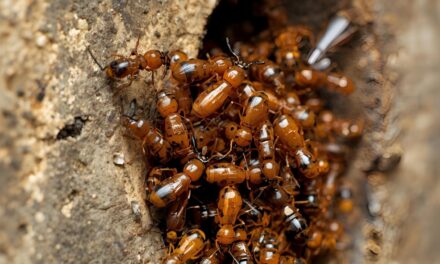
Imagine tiny, hidden enemies slowly eating away at your most valuable asset: your home. This isn’t a scary story; it’s the reality of termites, often called “silent destroyers.” These pests can cause massive, unseen damage for years before you even notice a problem. Their activity goes on behind walls, under floors, and within the very structure of your house.
Many homeowners don’t fully understand the serious threat termites pose until they see a swarm or find obvious signs of damage. By then, the problem has often grown very large, leading to expensive repairs. That’s why professional termite control services are not just a nice-to-have, but a critical necessity. They protect your home from these persistent pests. Effective termite control is key to keeping your house safe and sound.
In this guide, you will learn all about these tiny home invaders. We’ll explore the real danger termites present and discuss the different professional termite treatment methods available. We’ll also provide clear steps and criteria for selecting the best termite control service for your needs. Finally, we’ll help you figure out how to find reliable termite control near me to ensure your home is protected from top to bottom.
2. The Alarming Threat of Termites: Why Professional Control is Non-Negotiable
Termites are more than just a nuisance; they are a serious threat to your home’s safety and value. Their constant chewing can lead to devastating consequences that go far beyond a simple repair. Understanding the full scope of this danger highlights why professional management is absolutely essential. https://lexhygiene.com/home-protection-termite-control-services
The Scope of Termite Damage
Termites are relentless. They chew through wood, which is the main material in most homes. But their appetite doesn’t stop there. They also damage flooring, drywall, and even wallpaper. This ongoing destruction causes extensive structural damage over time. Imagine the very bones of your house being weakened day by day.
The financial cost of this damage is staggering. The National Pest Management Association (NPMA) estimates that termites cause over $5 billion in property damage annually in the United States. What makes this even worse is that this huge cost is generally not covered by homeowners’ insurance. This means you, the homeowner, would be responsible for every penny of repair. (Source: NPMA, various university extension services like Penn State Extension).
This kind of damage can seriously compromise a home’s structural integrity. This means the parts that hold your house up can become weak and unsafe. Such issues lead to very costly repairs and significantly decrease your property value. The severe consequences of neglecting proper termite control are clear: an untreated infestation can turn your dream home into a crumbling nightmare. Protecting your property from these wood-destroying organisms is paramount.
The Inadequacy of DIY Methods for Termite Control
When facing a termite problem, some homeowners might think about trying to fix it themselves. However, trying DIY methods for termite control is usually a mistake. Professional termite management is critical for several important reasons. Termites are incredibly difficult to detect, identify correctly, and completely get rid of. They often hide their activity, making it hard to see the true extent of the infestation.
DIY methods usually only treat the termites you can see, which is just a tiny fraction of the problem. They fail to reach the hidden colony, which can be massive and buried deep within the soil or inside your home’s walls. Effective termite treatment requires specialized knowledge. Pest control professionals understand termite biology and behavior. They know where termites live, how they eat, and how they reproduce. They also have access to professional-grade termiticides (chemicals designed to kill termites) and special equipment that regular homeowners simply cannot buy. https://www.lexhygiene.com/understanding-termite-behavior/
Improper application of pesticides by homeowners can be ineffective and costly, wasting time and money. Even worse, it can be potentially harmful to people, pets, and the environment if not used correctly. This highlights why skilled pest management is absolutely necessary to tackle these pests. (Source: University of California Agriculture & Resources, Texas A&M AgriLife Extension).
The Expertise and Specialized Equipment of Termite Control Services
This is where professional termite control services shine. Professional pest control operators possess the specific training, vast experience, and necessary licensing required to accurately identify termite species. There are different types, like subterranean, drywood, and dampwood termites, and each requires a different approach. These experts can quickly locate colonies and apply the correct treatments safely and effectively. They are skilled at finding the root of the problem, not just the visible signs.
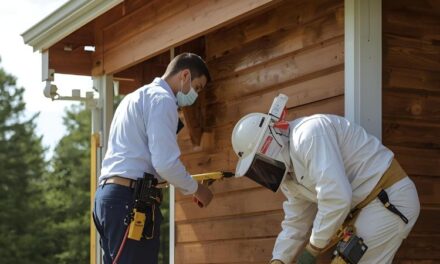
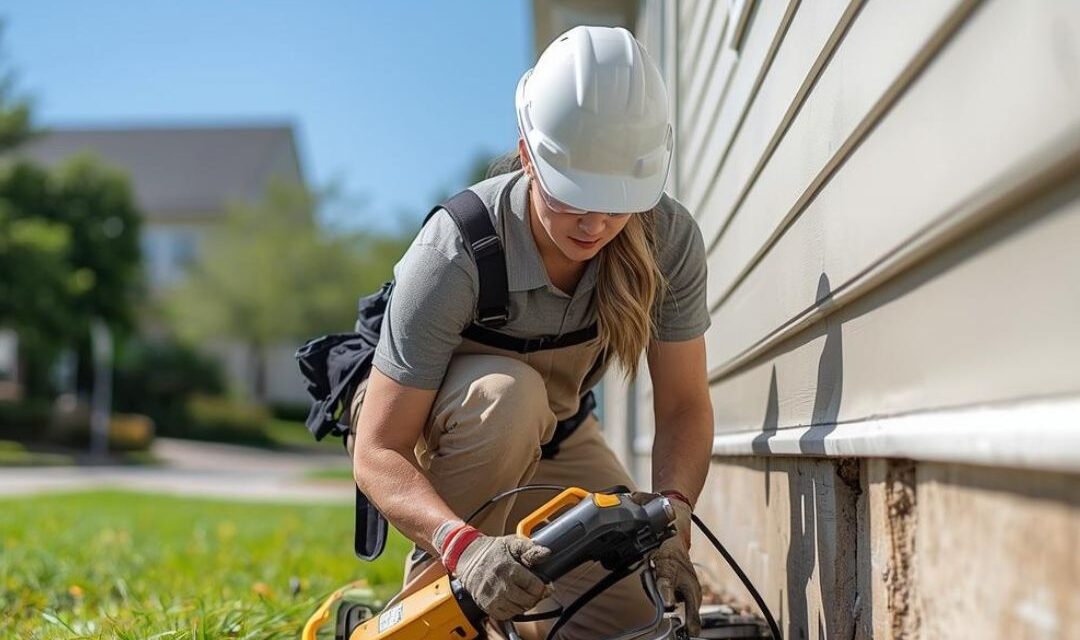
Beyond their knowledge, professionals use advanced tools to ensure thorough termite treatment and long-term protection. These tools include moisture meters, which detect hidden water sources that attract termites; thermal imaging cameras, which can spot temperature differences caused by termite activity behind walls; and acoustic detectors, which can “hear” the tiny sounds of termites chewing. These specialized instruments help pinpoint hidden activity, ensuring no termite colony is missed. This comprehensive approach is vital for effective pest management and safeguarding your property. (Source: U.S. Environmental Protection Agency (EPA) on pesticide application, university extension guides).
3. Understanding Comprehensive Termite Treatment Methods
Effective termite treatment is not a one-size-fits-all solution. A thorough approach requires careful steps, starting with a detailed assessment and moving to targeted solutions. Professionals in termite control services use a range of methods tailored to the specific type of termite and the extent of the infestation. https://www.lexhygiene.com/termite-pest-control-effective-methods-to-protect-your-property/
Initial Inspection and Species Identification
Every reliable termite control service begins with a thorough and comprehensive inspection of your property. This initial step is crucial. During the inspection, experts look for signs of termite activity, locate potential entry points into your home, and assess how far the infestation has spread. They also identify any conditions that might attract termites, such as areas with excessive moisture or parts of your home where wood is in direct contact with the soil. These “conducive conditions” make a home more vulnerable to these wood-destroying organisms.
Accurate species identification is also incredibly important. There are different types of termites, like subterranean, drywood, and dampwood termites, and each requires specific methods for eradication. What works for one type might not work for another. Knowing exactly which termite species you’re dealing with allows the professional to choose the most effective termite treatment plan. Without this vital first step, any treatment could be wasted effort. (Source: University of Florida IFAS Extension, NPMA).
Common Termite Treatment Methods
Once the inspection is complete and the termite species is identified, professionals will recommend the most appropriate termite treatment methods. These vary in how they work and the situations they are best suited for. https://lexhygiene.com/post-construction-termite-treatment-guide
Liquid Termiticide Barriers (Soil Treatment)
This is one of the most common and effective methods, especially for subterranean termites. It involves creating a protective chemical barrier in the soil around your home’s foundation. Professionals apply a liquid termiticide, which can be either non-repellent or repellent, into a trench dug around the perimeter of your house. Non-repellent termiticides, like those containing fipronil or imidacloprid, are particularly effective. Termites cannot detect these chemicals, so they unknowingly crawl through them. As they do, the chemical sticks to their bodies. When these termites return to their colony, they spread the chemical to other termites through contact and feeding, leading to colony elimination.
This method provides both immediate protection and long-lasting residual control. It stops termites from entering your home from the soil and can also kill existing colonies nearby. It’s a robust defense against future infestations. (Source: Purdue University Extension, EPA).
Termite Bait Systems
Termite bait systems offer another powerful approach to termite control. These systems involve placing bait stations, which are small containers, into the ground around the perimeter of your property. Inside these stations is cellulose, which is a favorite food source for termites. This cellulose is mixed with a slow-acting insect growth regulator (IGR) or a metabolic toxicant.
Termites discover these bait stations while foraging for food. They feed on the bait and then carry it back to their colony. Because the poison is slow-acting, the termites have time to share it with other colony members, including the queen, through a process called trophallaxis (food sharing). Over several weeks or months, the entire colony slowly dies off. This method is considered an eco-friendly option because it uses less chemical overall and targets only the termites, minimizing impact on other insects or wildlife. Examples of well-known bait systems include Sentricon and Trelona. They are an excellent option for comprehensive termite management. (Source: University of Kentucky Entomology, NPMA).
Fumigation (for Drywood Termites)
For severe and widespread drywood termite infestations, especially when termites are living in hard-to-reach areas within the structure, whole-structure fumigation may be the necessary termite treatment. This process is quite involved. It requires tenting the entire house with large tarps and then introducing a gas, such as sulfuryl fluoride, into the sealed structure.
The gas penetrates all the wood within the home, effectively reaching and eliminating all termites, even those hidden deep inside wooden beams or furniture. It’s a very thorough method for total eradication. However, it is typically considered a last resort due to several factors: its high cost, the inconvenience of homeowners having to vacate their home for several days, and the complexity of the process, which requires specialized equipment and expertise. (Source: University of California Agriculture & Natural Resources, Structural Pest Control Board).
Wood Treatment/Spot Treatment
When drywood termite infestations are localized and accessible, professional-grade borate-based solutions can be used for wood treatment or spot treatment. These solutions are directly applied to the infested wood. Borates work by poisoning the termites as they eat the treated wood, and they also make the wood resistant to future termite attacks.
This method is less invasive than whole-structure fumigation, meaning it doesn’t require tenting the entire house. However, it is only effective for areas where the treatment can directly reach the termites or the wood they are infesting. It’s a targeted approach for specific problem areas. (Source: University of Florida IFAS Extension).
Physical Barriers (for New Construction)
For those building a new home, proactive termite control can be integrated during the construction phase. Physical barriers offer long-term protection from the very start. These barriers can include durable materials like stainless steel mesh or specific types of sand barriers with particles sized to prevent termites from tunneling through them. These materials are installed in the foundation of the home, forming a protective shield that termites cannot penetrate.
In addition to physical barriers, chemical barriers can also be applied to the soil before the foundation is poured. This proactive approach ensures that the structure is protected from subterranean termites from day one. Emphasizing this kind of upfront protection offers excellent long-term termite control and helps prevent infestations before they ever begin. (Source: CSIRO (Australia), building codes).
Post-Treatment Monitoring and Ongoing Prevention
The job of a good termite control service doesn’t end with the initial treatment. Reputable companies often include follow-up inspections and continuous monitoring as part of their service agreement. This is especially true when bait systems are used, as their effectiveness relies on ongoing checks. These follow-up visits ensure that the initial termite treatment was successful and help to quickly detect any new termite activity or signs of recurrence. This vigilance is crucial for sustained pest management.
Professionals also provide valuable advice on ongoing prevention measures. This can include simple yet effective steps for homeowners to take, such as reducing moisture around the home by fixing leaky pipes or improving drainage. They might also advise trimming vegetation away from the foundation of the house, repairing any cracks in the foundation, and removing any wood that is in direct contact with the soil. All these actions help to make your home less attractive to termites in the future. https://lexhygiene.com/ultimate-termite-prevention-guide (Source: Clemson University Extension, NPMA).
4. Choosing the Best Termite Control Service: Your Guide to an Informed Decision
Finding the right professional is crucial for effective termite control and successful termite treatment. This section will guide you through the key factors to consider when selecting the best termite control service to protect your home. It’s about making an informed decision that gives you peace of mind.
Key Evaluation Criteria for Termite Control Services
When you’re looking to hire a company for pest management, especially for something as critical as termites, you need to ask the right questions and look for specific qualities.
Experience & Local Knowledge
Always look for companies with extensive experience in the pest control industry. More specifically, ensure they have a strong track record of dealing with the particular termite species prevalent in your region. Different areas have different types of termites and unique environmental challenges. Local providers often have a better understanding of regional pressures, such as soil types, climate effects, and common construction styles in your area. This local expertise can be a huge advantage in developing an effective termite treatment plan tailored to your home. (Source: Consumer Reports, Angi).
Licensing and Insurance
This is a non-negotiable criterion. You must verify that any company offering termite control services is properly licensed by your state’s agricultural or pest control regulatory board. Licensing ensures that the company and its technicians meet professional standards, have received adequate training, and are legally permitted to apply termiticides. Additionally, they should carry adequate liability insurance. This insurance is vital because it protects you, the homeowner, in case any damages or accidents occur during the termite treatment process on your property. Never work with an unlicensed or uninsured company. (Source: State Pest Control Boards, e.g., California Structural Pest Control Board).
Guarantees and Warranties
A reputable company offering termite control services should stand behind its work. They ought to provide a clear service agreement or warranty that specifies what is covered by their guarantee. This includes the duration of the coverage (e.g., one year, five years) and the specific conditions under which they will provide re-treatment if termites return after the initial service. It’s important to read and understand all the terms of this warranty, including any annual renewal fees that might be required to keep the warranty active. A strong warranty gives you confidence in the long-term effectiveness of the termite treatment. (Source: Consumer protection agencies, NPMA).
Customer Reviews and Testimonials
In today’s digital age, checking what other customers say is easier than ever. Look for companies with positive online reviews on platforms like Google, Yelp, and the Better Business Bureau (BBB). These reviews often give insights into a company’s reliability, customer service, and the effectiveness of their pest management solutions. Don’t hesitate to ask the company for local references from previous clients. Talking to someone who has used their services can provide valuable firsthand information about their professionalism and success in providing termite control. (Source: Best practice for consumer choice).
Transparency in Pricing and Service Agreements
Before any work begins, always obtain detailed written estimates from potential termite control services. These estimates should clearly outline the proposed termite treatment plan, including the specific chemicals they intend to use (if applicable), the full scope of work to be performed, all warranty details, and the total cost. Be very cautious of companies that offer significantly low bids that seem too good to be true, as they might cut corners. Also, be wary of high-pressure sales tactics that try to rush you into making a decision. A trustworthy company will provide clear information and give you time to consider your options. (Source: Federal Trade Commission (FTC) advice on home services).
Environmentally Friendly Options
Many homeowners today are concerned about the environmental impact of pesticides. When choosing a termite control service, inquire about their approach to Integrated Pest Management (IPM). IPM is a strategy that prioritizes non-chemical solutions, targeted treatments, and aims to reduce overall pesticide use. Many companies now offer “green” or “eco-friendly” options. These can include advanced bait systems, which are highly targeted, or botanical termiticides derived from natural plant extracts. Asking about these options shows your concern and allows you to choose a company aligned with your values regarding sustainable pest management. (Source: EPA, National Center for Healthy Housing).
5. Finding Trusted Termite Control Near You
Once you know what to look for, the next step is locating professional termite control near me. Choosing a local provider can offer distinct advantages and make the process smoother. https://www.lexhygiene.com/how-to-find-the-best-termite-control-near-me-a-quick-guide/
Importance of Local Providers
Opting for local termite control services often means quicker response times when you need them most, especially for urgent infestations. Local companies are also more likely to offer personalized service, as they are part of your community. Crucially, they tend to have a better understanding of localized pest pressures. This includes common termite species in the area, specific environmental conditions (like soil types or moisture levels), and local building practices that might contribute to termite problems. They are also more likely to be familiar with any specific community regulations or environmental considerations relevant to termite control in your neighborhood. This deep local insight helps them to provide highly effective and tailored solutions. (Source: General consumer advice for local services).
Effective Search Tips
To find the best termite control service that meets your needs, use these effective search methods:
- Online Directories & Search Engines: Start by using specific search terms on Google or other search engines. Phrases like “termite control near me,” “pest control [your city/state] termites,” or “termite exterminator [your zip code]” will yield local results. Check online business directories and map services for companies in your immediate area.
- Word-of-Mouth: One of the most reliable ways to find good services is through personal recommendations. Ask your neighbors, friends, family members, or even your real estate agent for recommendations. They might have had positive experiences with a local termite control company.
- Professional Associations: Many reputable pest control companies are members of professional associations. The National Pest Management Association (NPMA) offers a “Find a Pro” tool on their website, which can help you locate accredited members in your area. Similarly, state-level pest control associations often provide lists of certified and reputable members offering termite control services.
- Multiple Quotes: Always obtain at least 2-3 quotes from different companies before making a decision. This isn’t just about price. It allows you to compare different termite treatment plans they propose, the warranties they offer, and their overall pricing structure. By comparing multiple options, you can ensure you get the best value for your money and a service that is perfectly tailored to your specific needs and the unique characteristics of your home. This due diligence is essential for effective pest management. (Source: Consumer Reports, Angi).
6. Conclusion: Protect Your Investment with Professional Termite Control Services
Termites are truly silent destroyers, capable of causing devastating and often hidden damage to your home if not managed by professional termite control. Their relentless activity can compromise your home’s structure and drain your finances, often without the benefit of insurance coverage. Ignoring this threat is a gamble no homeowner should take.
We’ve covered the critical necessity of professional termite control services for effective termite treatment. We’ve explored the comprehensive methods used by experts, from liquid barriers and bait systems to fumigation and preventive physical barriers. Most importantly, we’ve armed you with the essential knowledge to evaluate companies based on their experience, proper licensing, strong guarantees, and transparent practices. This will help you choose the best termite control service for your unique situation.
Now is the time to take proactive steps to protect your most significant investment. Don’t wait for visible signs of damage. Use the tips provided in this guide to find reliable termite control near me and schedule a professional inspection today. Secure your peace of mind and safeguard your home from these insidious pests.
Frequently Asked Questions
Q1: What are the early signs of a termite infestation?
A1: Early signs can include discarded wings near windows or doors (indicating swarming), mud tubes on exterior walls or in basements, hollow-sounding wood, and bubbling or uneven paint from termite tunnels beneath the surface. For more details, refer to the section on early signs of termite infestation.
Q2: Why are DIY termite control methods ineffective?
A2: DIY methods typically only treat visible termites, failing to eliminate the hidden, extensive colony. Termites are difficult to detect, identify, and eradicate completely without specialized knowledge, professional-grade termiticides, and advanced equipment. Improper application can also be harmful and costly, as discussed in the section on The Inadequacy of DIY Methods for Termite Control.
Q3: What are the most common professional termite treatment methods?
A3: Common professional methods include: liquid termiticide barriers (soil treatment), termite bait systems, fumigation (for drywood termites), wood treatment/spot treatment, and physical barriers for new construction. Each method is chosen based on the termite species and severity of the infestation, as detailed in Common Termite Treatment Methods.
Q4: How do I choose the best termite control service?
A4: To choose the best service, consider their experience and local knowledge, ensure they are properly licensed and insured, check for clear guarantees and warranties, read customer reviews and testimonials, look for transparency in pricing and service agreements, and inquire about environmentally friendly options. The section on Key Evaluation Criteria for Termite Control Services provides a comprehensive guide.
Q5: What can I do for ongoing termite prevention after treatment?
A5: After professional treatment, ongoing prevention is key. This includes reducing moisture around your home (fixing leaks, improving drainage), trimming vegetation away from the foundation, repairing foundation cracks, and removing any wood-to-soil contact. Regular follow-up inspections are also crucial to detect any new activity. More tips are available in the ultimate termite prevention guide.