Estimated reading time: 18 minutes
Key Takeaways
-
- Termites are “silent destroyers” causing billions in uninsured property damage annually.
-
- DIY methods are largely ineffective; professional termite control services are essential.
-
- Key signs of infestation include mud tubes, discarded wings, and hollow wood.
-
- Professional services involve comprehensive inspections, customized treatment plans, and ongoing monitoring.
-
- Effective treatments include bait systems, liquid barriers, and direct wood treatments.
-
- Choose a service based on experience, licensing, reputation, guarantees, and an IPM approach.
-
- Local termite control near me offers quicker response times and specific regional expertise.
- Delaying treatment leads to escalating damage and costs, making prompt action critical.
Table of contents
Termites are often called the “silent destroyers” for a very good reason. These tiny pests can cause a huge amount of damage to your home without you even knowing they are there. They work quietly and out of sight, chewing through important parts of your house day and night.
The damage termites cause is not small. Each year, these pests cause billions of dollars in property damage across the United States. Many times, this damage is not covered by home insurance, leaving homeowners with a big bill. In fact, the National Pest Management Association (NPMA) reports that termites cause over $5 billion in property damage annually, much of which is uninsured. This makes them a serious threat to your biggest investment.
Termites love to eat cellulose, which is found in wood, paper, and many other materials in your home. This means your house, especially if it has wooden frames or furniture, is a prime target for a termite colony.
When you face such a serious and common issue, professional termite control services are the best answer. Trying to handle termites on your own often doesn’t work. True protection comes from expert help. Getting professional termite control is not just an option; it’s a must-do step to keep your home safe and sound.
The Invisible Threat – Why Professional Termite Control is Essential
Termites are truly invisible enemies. They are nicknamed “silent destroyers” because they can chew through the wooden parts of your house, floors, and even wallpaper for years without being noticed. This damage happens secretly, often becoming very serious before you ever discover the pests. These wood-destroying insects can live deep within your home’s structure, making them incredibly difficult for a homeowner to find and deal with on their own.
Subtle Signs of Infestation
It’s important to know what signs to look for, even if they are small. Spotting these early can save you a lot of trouble and money. Here are some key indicators that you might have an active termite infestation:
- Mud Tubes on Foundations: Look for pencil-sized tunnels made of mud and dirt on the exterior walls or foundation of your home. These are like highways that subterranean termites build to travel between their underground nests and their food source – your home’s wood.
- Discarded Wings Near Windowsills and Doorways: Termite swarmers (reproductives) fly out of the colony to start new ones. After they mate, they shed their wings. Finding small, clear, discarded wings near light sources, windows, or doors is a strong sign of termite activity.
- Hollow-Sounding Wood When Tapped: If you tap on a wooden beam, doorframe, or floorboard and it sounds hollow, it could mean termites have eaten away the inside.
- Buckling Paint or Tiny Holes in Drywall: Termites can tunnel close to the surface, causing paint to bubble or buckle. Sometimes, you might even see very small holes in drywall where they have made their way through.
- Frass (Termite Droppings): For drywood termites, you might see small piles of what looks like sawdust or coffee grounds. These are their droppings, which they push out of their tunnels.
Ineffectiveness of DIY Methods for Termite Control
Many homeowners try to tackle termite problems themselves with store-bought sprays or traps. However, these do-it-yourself (DIY) methods are almost always ineffective. Why? Because they rarely reach the entire termite colony. A termite colony can be massive, with thousands or even millions of individuals, extending deep into the ground or hidden within your home’s structure. DIY products might kill a few visible termites, but they won’t stop the queen from producing more, nor will they eliminate the hidden workers causing the damage. This means the problem will just keep growing, unseen.
Necessity of Expertise for Effective Termite Control Services
This is where professional termite control comes in. Expert pest management companies offer several key advantages that DIY cannot match:
- Specialized Knowledge: Professionals know the different types of termites, their habits, and where they hide.
- Advanced Equipment: They use special tools to find termites, even in hard-to-reach places.
- Potent Treatments: They have access to powerful and effective treatments that are not available to the public.
These experts can effectively get rid of current termite infestations and put measures in place to prevent new ones. Protecting your home, which is likely your most significant investment, from these wood-eating pests truly requires professional termite control services. It is the only reliable way to ensure the long-term safety and structural integrity of your property.
Understanding Professional Termite Control Services: The Process
Professional termite control is a carefully planned process. It’s a step-by-step system designed by experts to find, manage, and finally get rid of termite infestations effectively. This systematic approach ensures that every part of the problem is addressed, from identifying the specific type of termite to setting up long-term protection.
Comprehensive Inspection
The first and most important step in any professional termite control services plan is a detailed inspection. Without a thorough check, it’s impossible to know the full extent of the problem or the best way to fix it.
Here’s what a certified technician does during this critical initial phase:
- Property Assessment: Technicians perform a full inspection of both the inside and outside of your home. They look everywhere – from the attic to the crawl space, checking foundations, basements, and all wooden structures.
- Signs of Termite Activity: They specifically look for all the subtle indicators mentioned earlier: mud tubes, discarded wings, frass, and hollow-sounding wood. They also check for less obvious signs like small holes, damaged paint, or even moist areas that might attract termites.
- Identification of Termite Species: Knowing the exact type of termite is crucial. Different species, like subterranean termites, drywood termites, or dampwood termites, have different behaviors and require different termite treatment methods. Identifying the species allows the technician to tailor the most effective strategy.
- Assessment of Infestation’s Extent: The technician determines how widespread the infestation is. They pinpoint entry points, areas of heavy activity, and vulnerable parts of your home that are at risk.
- Understanding Construction: They also consider your home’s construction type, as this influences where termites might hide and what treatment methods can be safely and effectively applied.
This detailed assessment provides the foundation for an effective termite treatment strategy. It’s like a doctor diagnosing an illness before prescribing the right medicine; without knowing the problem fully, you can’t offer the best solution.
Customized Termite Treatment Plans
Once the comprehensive inspection is complete, the findings are used to create a customized termite treatment plan. This isn’t a one-size-fits-all approach. Every home and every termite problem is unique, so the treatment plan needs to be just as unique.
Here’s what goes into a tailored plan:
- Termite Species: The chosen treatments will be specific to whether you have subterranean, drywood, or dampwood termites. For example, subterranean termites require methods that deal with their underground nests, while drywood termites are found directly within wood.
- Severity of Infestation: A small, localized issue might need a different approach than a widespread problem affecting many parts of the house.
- Environmental Factors: The local climate, soil type, and landscaping can all affect termite behavior and the choice of treatment.
- Property Construction: The type of foundation (slab, crawl space, basement) and materials used in your home will guide the application methods.
This customized approach ensures that the most effective and efficient use of resources is made. Often, the best plans incorporate a combination of different methods to ensure total eradication and long-term protection. It makes the termite control efforts much more precise and powerful.
Ongoing Monitoring and Prevention
Effective termite control services don’t stop after the initial treatment. Termites are persistent pests, so long-term protection requires ongoing attention.
Many reputable pest management services include follow-up visits as part of their comprehensive plan:
- Monitoring Effectiveness: Technicians will return to check if the initial treatments have worked. They look for any remaining signs of termite activity and ensure the colony has been successfully eliminated.
- Re-Bait Systems: If bait stations are used, they will be checked regularly, and bait will be refilled or replaced as needed to maintain their effectiveness.
- Reapplying Barrier Treatments: For liquid barriers, technicians may monitor the treated areas and suggest reapplication if the barrier’s integrity is compromised over time, though many modern liquid treatments offer years of residual protection.
- Annual Inspections: For sustained peace of mind, many homeowners opt for annual inspections. These check for new termite activity, identify potential vulnerabilities, and ensure that your home remains protected against future infestations. This proactive approach is key to preventing a return of these destructive pests.
This ongoing monitoring and preventative care are essential for ensuring that your home stays safe from termites year after year. It’s a key part of the comprehensive protection offered by professional termite control services.
Effective Termite Treatment Options Explained
Professional termite control specialists use several powerful and proven treatment methods. Often, these methods are used together to give your home the most complete protection against these wood-destroying pests. The goal is not just to get rid of the termites you see, but to wipe out the entire colony and stop them from coming back.
Bait Systems
Description: Bait systems involve placing special stations around the outside of your property, typically in the soil every 10-20 feet. These stations contain wood or cellulose material mixed with a slow-acting termiticide, which is a substance designed to kill termites.
Mechanism: Foraging termites, which are always looking for food, discover these bait stations. They feed on the bait and then carry it back to their colony to share with other members, including the queen. Because the termiticide works slowly, the termites don’t realize it’s harmful right away. This allows enough time for the poisoned bait to be spread throughout the colony, eventually leading to the elimination of the entire termite population.
Benefits: Bait systems are especially effective for subterranean termites, which live in the soil. They are generally considered less intrusive than some other treatments because they don’t always require digging or drilling into your home. They are also often seen as more environmentally friendly because they use less chemical volume directly around your house compared to liquid treatments. This method focuses on colony elimination rather than just repelling them.
Liquid Barrier Treatments (Conventional Termiticides)
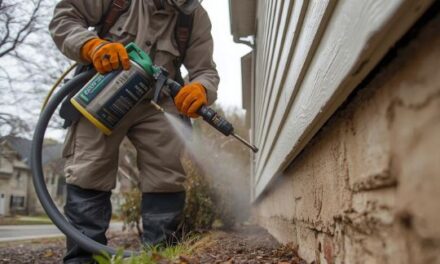
Description: This is a very common and effective method for termite control. It involves applying a liquid termiticide to the soil directly around the foundation of your home. The treatment creates a complete chemical barrier.
Goal: The main goal is to create a continuous protective zone that termites cannot pass through to reach your house. Any termite attempting to cross this barrier will either be killed or prevented from entering.
Effectiveness: Modern non-repellent termiticides, such as Fipronil or Imidacloprid, are especially powerful. Unlike older chemicals that termites could detect and avoid, non-repellent termiticides are undetectable to termites. This means termites unknowingly walk through the treated soil, pick up the chemical on their bodies, and then carry it back to their colony. This leads to a “transfer effect” where the chemical spreads among the colony members, causing widespread mortality.
Application: Creating a full barrier often involves:
- Trenching: A shallow trench is dug around the foundation of your home, into which the liquid termiticide is poured.
- Drilling: If your home has a concrete slab foundation, technicians might need to drill small holes through the concrete to inject the termiticide underneath, ensuring the barrier is complete and unbroken.
This comprehensive application makes liquid barriers a robust form of termite treatment against subterranean termites.
Direct Wood Treatments
Description: Direct wood treatments involve applying specific termiticides right onto or into infested or vulnerable wooden structures. This method is used when termites are already inside the wood or to protect wood that might be at risk. https://lexhygiene.com/wood-termite-treatment-prevention
Common Products: Borate-based products, like Disodium Octaborate Tetrahydrate, are frequently used. These products soak into the wood and create long-lasting protection against not only termites but also other wood-boring insects and even some fungi. They work by making the wood toxic to pests that try to eat it.
Use Cases: Direct wood treatments are versatile and can be used for several situations:
- Localized Infestations: If termites are found in a specific wooden beam, frame, or piece of furniture, direct treatment can target that exact spot.
- Preventative Treatments During Construction: Applying borates to wood during the building phase offers excellent long-term protection before termites even become a problem.
- Treating Inaccessible Areas: Sometimes, there are wooden areas that are hard to reach with bait systems or liquid barriers. Direct injection or surface application can still protect these spots.
Professional Selection of Termite Treatment
It’s important to remember that the choice of termite treatment method is not something a homeowner should guess at. Professional pest control operators are trained to evaluate several factors:
- The specific termite species involved.
- The unique construction of your building.
- The exact location and extent of the infestation.
Based on this expert assessment, they will select the most appropriate and effective strategies, often combining several of these methods, to ensure the best possible termite control and long-term protection for your home. This careful selection ensures that your home receives the right kind of care to eradicate these destructive pests.
How to Choose the Best Termite Control Service
Choosing a reputable and effective termite control service is one of the most important decisions you’ll make for the long-term safety of your home. https://lexhygiene.com/choose-best-termite-control-services Not all companies offer the same level of quality, so knowing what to look for can make all the difference in achieving successful termite management.
Experience & Expertise
When dealing with something as serious as termites, you want a company that truly knows its business.
- Long-Standing History: Look for companies with a long history and a proven track record specifically in termite control. A company that has been around for many years often has a deep understanding of local termite populations and effective strategies.
- Knowledgeable Technicians: Experienced technicians are crucial. They are better at identifying complex or unusual infestations, knowing the specific species of termite, and applying the most appropriate and safe treatments. Their expertise ensures that the problem is correctly diagnosed and effectively resolved.
Licensing & Insurance
These are non-negotiable requirements for any professional termite control service.
- Proper Licensing: Always verify that the company is properly licensed by your state’s regulatory agencies. This might be your Department of Agriculture or a specific structural pest control board. Licensing ensures that the company meets industry standards, that its technicians are certified, and that it follows all legal and safety requirements.
- Adequate Liability Insurance: Confirm that the company carries sufficient liability insurance. This protects you, the homeowner, in case of any accidental damage to your property or unforeseen incidents that might occur during the treatment process. Never hire a company that cannot provide proof of insurance.
Reputation & Reviews
A company’s reputation speaks volumes about its service quality and reliability.
- Customer Testimonials: Research what other customers are saying. Look for reviews on popular platforms like Google Reviews, Yelp, and the Better Business Bureau (BBB). Pay attention to both the overall rating and the specific comments.
- Industry Standing: A company with a strong, positive reputation among its customers and within the pest control industry is a good sign that they deliver on their promises. Consistent positive feedback is a strong indicator of reliable service and customer satisfaction.
Guarantees & Warranties
Reputable companies stand behind their work.
- Inquire About Guarantees: Ask about the company’s guarantee or warranty for their termite control services. A strong warranty shows confidence in their treatment methods.
- Terms and Conditions: Understand the details of the warranty. How long does it last? What does it cover? Does it include free re-treatment if termites return within the warranty period?
- Renewal Options and Transferability: Some warranties can be renewed annually, which can be a valuable long-term investment. Also, if you plan to sell your home, find out if the warranty is transferable to the new owner, as this can add value to your property.
Integrated Pest Management (IPM) Approach
Prioritizing companies that adopt an Integrated Pest Management (IPM) approach is a smart choice for effective and responsible termite management. https://lexhygiene.com/benefits-of-integrated-pest-management
- What is IPM? IPM is a holistic and environmentally responsible strategy. It focuses on long-term prevention of pests, careful monitoring, and using targeted, least-toxic treatment methods only when absolutely necessary.
- Benefits: This approach minimizes the use of pesticides and reduces environmental impact, while still providing highly effective termite treatment. It’s about smart solutions that protect your home and the environment.
Transparent Pricing & Detailed Quotes
Always get everything in writing and be wary of pushy sales tactics.
- Detailed Written Quote: Request a clear, detailed, written quote before any work begins. This quote should clearly list:
- The specific termite control services to be performed.
- The exact termite treatment methods that will be used.
- The names of the chemicals or products being applied.
- The total cost of the service.
- All warranty information.
- Avoid Pressure: Be cautious of companies that offer vague pricing or try to pressure you into making an immediate decision. A trustworthy company will give you time to understand their plan and pricing.
By carefully considering these factors, you can select the best termite control service to protect your home effectively and provide lasting peace of mind.
Finding Local Expertise: Termite Control Near Me
When you’re dealing with termites, local expertise can make a big difference. Choosing a local termite control provider offers significant advantages that can lead to faster, more effective solutions for your home. Searching for “termite control near me” isn’t just about convenience; it’s about finding specialized knowledge that directly applies to your area.
Local Knowledge Advantage
Termites, though often similar across regions, can have specific behaviors and prevalences depending on the local environment.
- Regional Termite Species: Local companies typically have deep knowledge of the specific termite species common in your area. For example, the types of subterranean termites found in one state might differ from those in another, or drywood termites might be more prevalent in coastal regions. This local expertise allows for a more accurate diagnosis of your specific pest problem.
- Specific Behaviors and Nesting Habits: Knowing how termites in your particular climate or soil type behave and where they typically nest allows technicians to apply more precise and effective termite treatment strategies. They understand the environmental factors, such as soil moisture levels or common building materials, that influence infestations in your immediate surroundings.
- Tailored Strategies: This local insight means they can tailor their approach, using methods that have been proven most successful for the specific conditions of your neighborhood.
Quicker Response Times
Time is often critical when you suspect termite activity. The sooner an inspection and treatment can begin, the less damage termites can cause.
- Prompt Inspections: Local providers can often offer much quicker response times for initial inspections. This is especially important when you’ve found active termites and need immediate assessment.
- Emergency Services: If you have a severe or emergency termite situation, a local company can likely dispatch technicians faster, minimizing the ongoing damage to your property. Their proximity means less travel time and more flexibility to fit you into their schedule quickly.
Tips for Searching for “Termite Control Near Me“
Finding the right local expert doesn’t have to be difficult. Here are some effective ways to start your search:
- Online Searches: Begin with simple but specific online searches. Use terms like “termite control near me,” “best termite treatment [your city/state],” or “local pest control termite.” This will bring up companies operating in your immediate area.
- Referrals from Trusted Sources: Ask people you trust. Neighbors, friends, family members, or even local real estate agents and home inspectors often have recommendations for reputable local companies they have used successfully or frequently work with.
- Local Business Directories and Community Forums: Check local online business directories (like the local chamber of commerce site) or community social media groups. These can often highlight well-established local pest control services with a strong community presence.
Key Qualities for Local Services
Beyond the general factors like licensing, insurance, and reputation, look for these specific qualities in a local company:
- Strong Community Ties: Companies that are actively involved in the local community often have a greater vested interest in maintaining a good reputation and providing excellent service.
- Experience with Local Building Codes: Local providers will be familiar with any specific building codes or construction practices in your area that might affect termite vulnerability or treatment methods.
- Responsive Customer Service: Good local companies pride themselves on accessible and responsive customer service, which can be invaluable when you have questions or need follow-up assistance.
By focusing on local expertise, you can ensure that the termite control you receive is not only effective but also perfectly suited to the unique challenges of your area. This targeted approach is key to successful termite treatment and lasting home protection.
Don’t Wait: Protect Your Investment with Professional Termite Control Services Today
It’s easy to put off dealing with something you can’t see, but when it comes to termites, waiting can lead to very serious and expensive problems. The financial and structural consequences of delaying professional termite treatment are often far greater than the cost of early intervention.
Consequences of Delay
Termites are not a problem that gets better on its own. They only get worse, leading to escalating damage and repair costs.
- Escalating Damage: Termite damage frequently goes unnoticed for months or even years. By the time homeowners discover an infestation, it’s often extensive, requiring costly structural repairs that could have been completely avoided with proactive action. These repairs can include replacing damaged beams, floorboards, walls, and even the foundation.
- Continuous Threat: Remember, termites continuously consume wood. An active infestation means that these pests are literally eating away at your home 24/7. Every day you wait, the damage deepens, and the structural integrity of your property becomes more compromised. The longer the delay, the larger the colony grows, and the more difficult and expensive the termite control becomes.
- Decreased Property Value: Significant termite damage can severely decrease your property’s market value. When it comes time to sell, you’ll either have to pay for extensive repairs or accept a lower selling price.
Call to Action: Act Now for Home Protection
Taking immediate action against termites is one of the smartest investments you can make in your home.
- Save Money: Addressing termites promptly will almost always save you money in the long run by preventing minor issues from becoming major, costly structural renovations.
- Preserve Property Value: Protecting your home from termites helps maintain its structural soundness and preserves its market value.
- Prevent Significant Damage: Early and effective termite treatment prevents the irreversible damage that these pests can inflict on your most valuable asset.
- Peace of Mind: Knowing your home is protected from these destructive pests provides invaluable peace of mind.
Value of Professionals in Termite Control Services
This is why professional termite control services are not just a luxury, but a critical investment. They offer:
- Expertise: Professionals have the knowledge to correctly identify, assess, and treat termite infestations.
- Advanced Treatments: They use specialized products and methods that are highly effective at eliminating colonies and providing long-term protection.
Don’t let silent destroyers threaten your home. Invest in professional termite control today. It is a critical step in securing your property’s longevity and ensuring your peace of mind. Taking action now protects your home from current and future termite threats, safeguarding your investment for years to come.
Conclusion: Secure Your Home from Termites with the Right Service
Termites pose a relentless and incredibly costly threat to homeowners across the nation. These “silent destroyers” work quietly and persistently, compromising the structural integrity of your most valuable asset without giving clear warnings. Understanding this hidden danger and recognizing the serious damage these wood-destroying pests can inflict is the crucial first step toward effective home protection.
The good news is that there are highly effective solutions available, expertly applied by professional termite control services. These solutions begin with a thorough, comprehensive inspection to pinpoint the exact problem. From there, tailored termite treatment strategies are deployed, ranging from advanced bait systems that eliminate entire colonies to robust liquid barriers that create an impenetrable shield around your home, and targeted direct wood treatments for specific infestations. Each method is designed to provide comprehensive eradication and prevention.
However, the key to successful, long-term termite management isn’t just about the treatments themselves; it’s about choosing the right termite control service. You must prioritize companies that are experienced, fully licensed and insured, boast a stellar reputation, and offer clear, reassuring guarantees or warranties on their work. Opting for a service that employs an Integrated Pest Management (IPM) approach ensures an environmentally responsible and highly effective strategy, while transparent pricing and detailed quotes provide clarity and trust.
Don’t allow your home to become another statistic of termite destruction. Prioritize these vital factors and, most importantly, act promptly. Taking immediate steps to engage professional termite control services will not only achieve effective termite treatment and protect your property from current threats but will also provide you with lasting peace of mind, knowing your home is secure from these destructive pests. Secure your home today with the right expert help.
Frequently Asked Questions (FAQ)
-
- Q: How much does professional termite control cost?A: The cost varies greatly depending on the severity of the infestation, the size of your home, the type of termites, and the treatment methods chosen. A professional inspection is needed to provide an accurate quote. While it’s an investment, it’s typically far less than the cost of repairing extensive termite damage.
-
- Q: Are termite treatments safe for my family and pets?A: Reputable professional termite control services use products and application methods that are designed to be safe for occupants and pets when applied correctly. They will provide clear instructions on any precautions needed, such as vacating the premises during or immediately after treatment. Always choose a licensed and experienced company.
-
- Q: How long does termite treatment last?A: The longevity of termite treatment depends on the method used. Liquid barrier treatments can offer protection for several years (often 5-10 years), while bait systems require ongoing monitoring and replenishment. Many companies offer annual inspections and renewable warranties to ensure continuous protection.
-
- Q: Can I get rid of termites myself with DIY products?A: DIY termite control is generally ineffective for eliminating an entire colony. Store-bought products might kill visible termites, but they rarely reach the hidden nest, allowing the infestation to continue and worsen. Professional services are recommended for complete eradication and long-term protection.
- Q: What are the most common signs of a termite infestation?A: Common signs include mud tubes on foundation walls, discarded wings near windows or light sources, hollow-sounding wood when tapped, buckling paint or tiny holes in drywall, and piles of termite droppings (frass). If you notice any of these, contact a professional for an inspection immediately.